

10 – 12 July at St Catz
A few words about 2026…
What is meant when we talk about ‘Poverty Food’? Is it a useful frame for addressing issues of food access, justice, and cultural value? Or is it a stigmatizing label applied to those struggling in the context of economic poverty? These were some of the overarching questions addressed in the papers, keynotes, discussions, and other activities at St Catz.
Symposiasts interpreted the theme of ‘Poverty Food’ through different lenses. Questions of food systems, the right to food, and social justice drove plenary talks, papers, and the Young Chefs’ meal. Resilience and ingenuity in the kitchen were on display in both the lecture room and the dining room, exploring the culinary brilliance of cucina povera. On-the-ground wisdom, shared by activists from England, the US, and Zimbabwe, brought lived experience to the fore, and potential changes in diets and cuisines due to environmental collapse gave us much to ponder.
The 2026 symposium will come to a close in October with our final online discussions, but we are already looking forward to 2027, when our theme is Food & Time.
OFS 2026: The Uses of Scarcity, The Realities of Abundance
Azure skies and cool evening breezes greeted the 155 symposiasts who gathered at St Catherine’s College for our consideration of Poverty Food. Against this backdrop of near-perfect weather, symposiasts spent three days grappling with the concept and realities of ‘poverty food,’ mindful that our discussions took place in a well-fed environment of abundance. Through three keynotes, two roundtable conversations, twelve panels of papers, and artistic and group activities, we explored the fundamental relationship between poverty and food. We questioned the cultural stigmas applied to certain foods considered inferior and ways in which political, economic, and agricultural systems can create or ameliorate poverty and hunger. We considered how ‘poverty foods’ respond to crises of climate, war, and famine, and the cruel weaponization of food.
Plenary sessions

Keynotes
Zachary Nowak
What Is Poverty Food? Cucina Povera, Torta al Testo, and the Uses of Scarcity
Julian Baggini
The Poverty Pinch: Why Wants Breed Want in the Food System
Elizabeth Mpofu
The Key to Ending Poverty, Ensuring Food Sovereignty, and Building Sustainable Futures for the Global South

Meals & Receptions
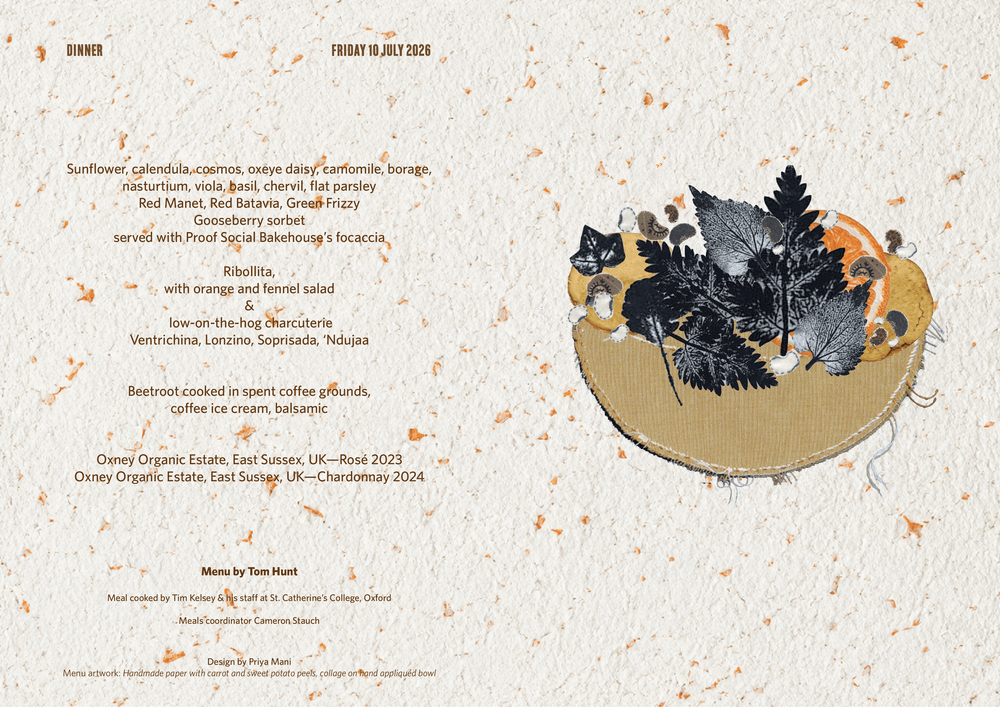
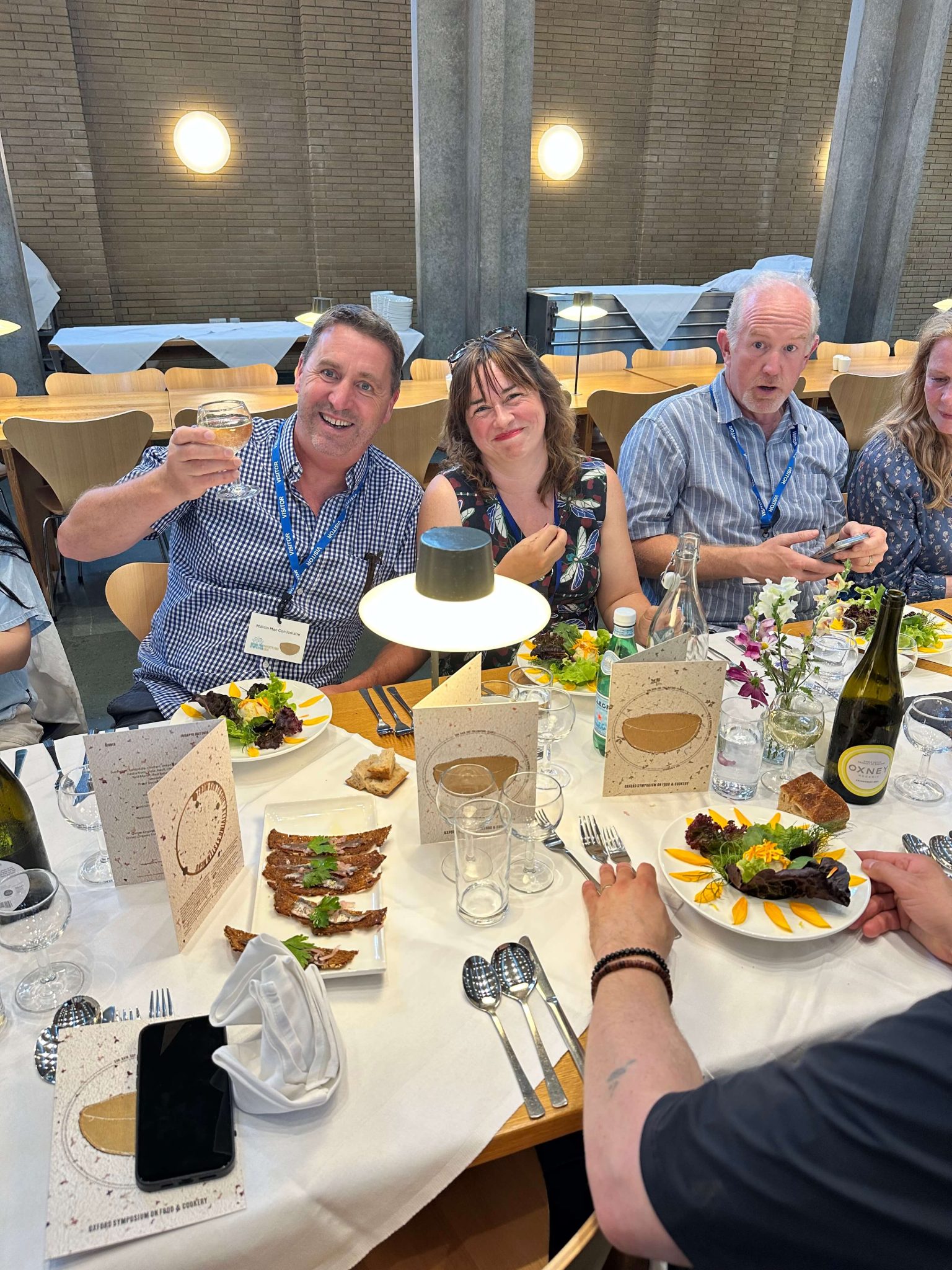
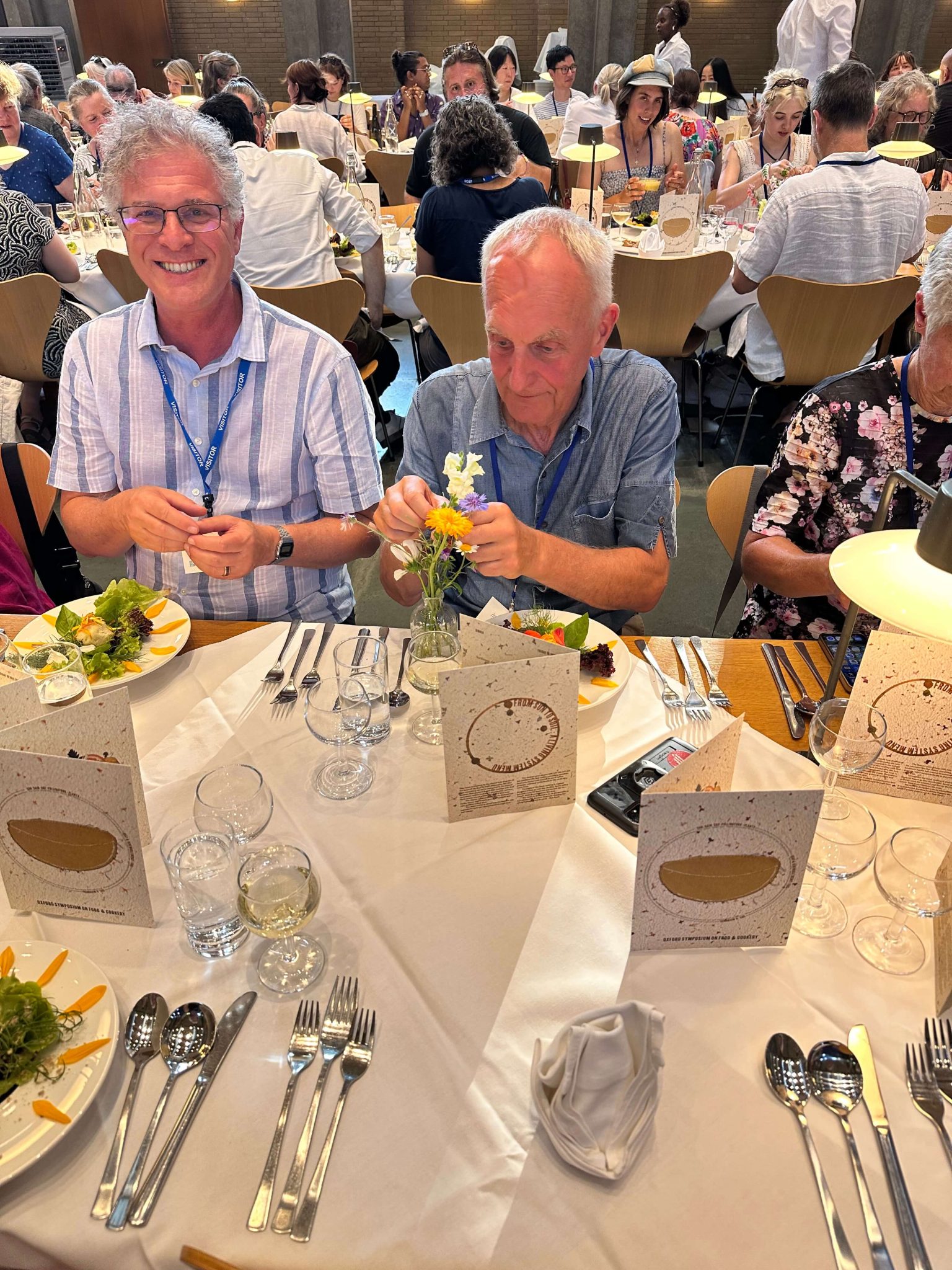
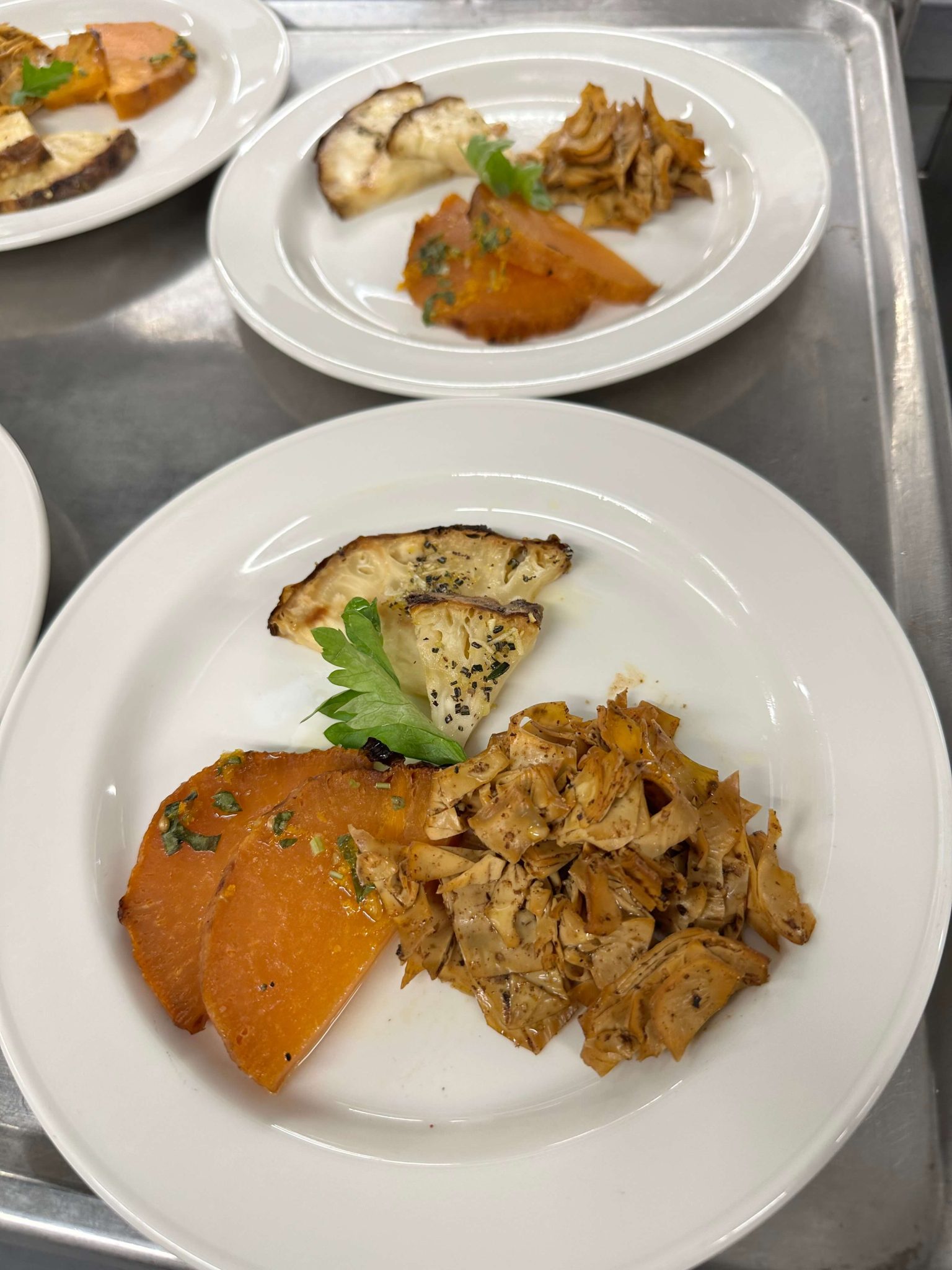
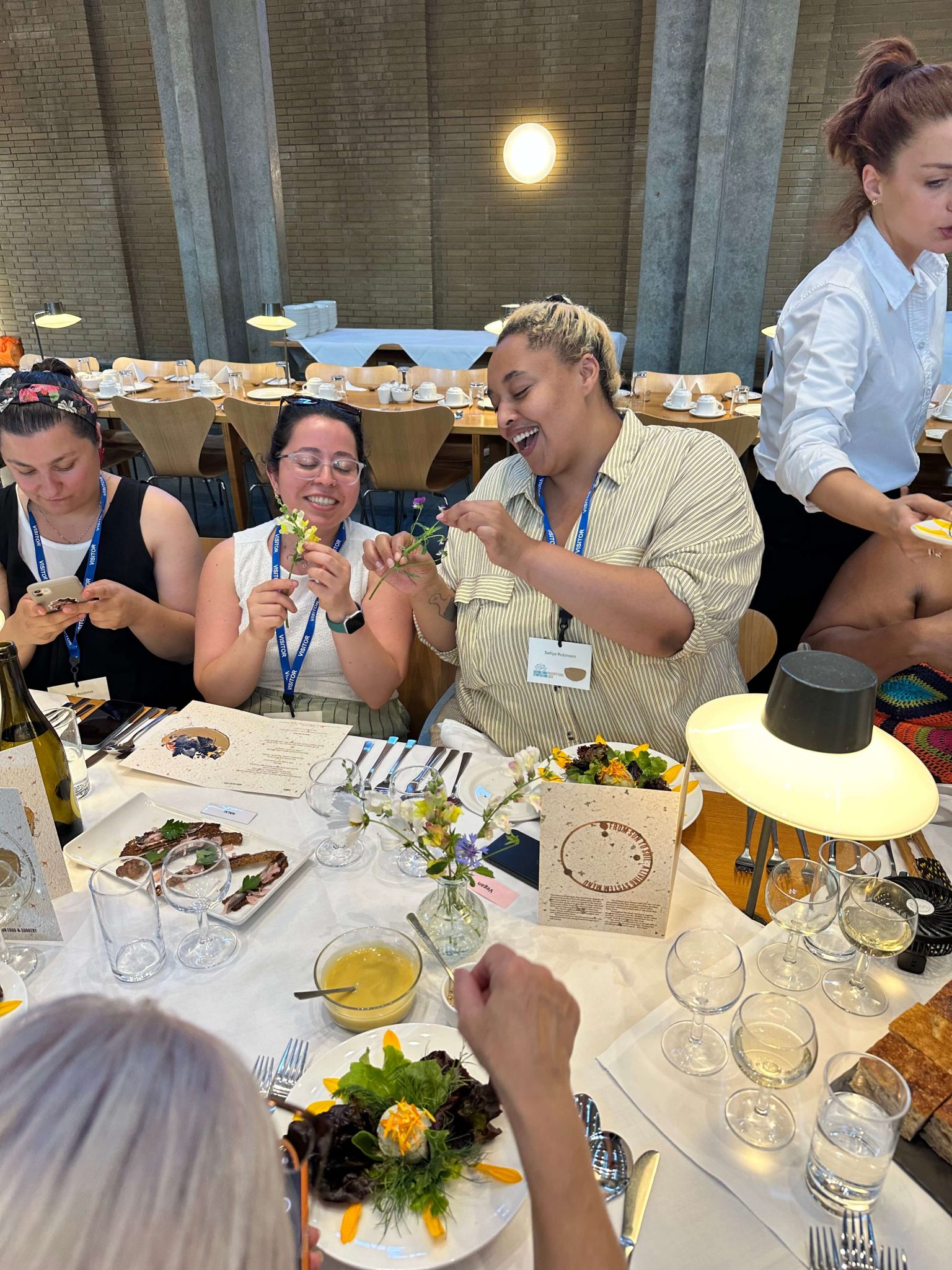
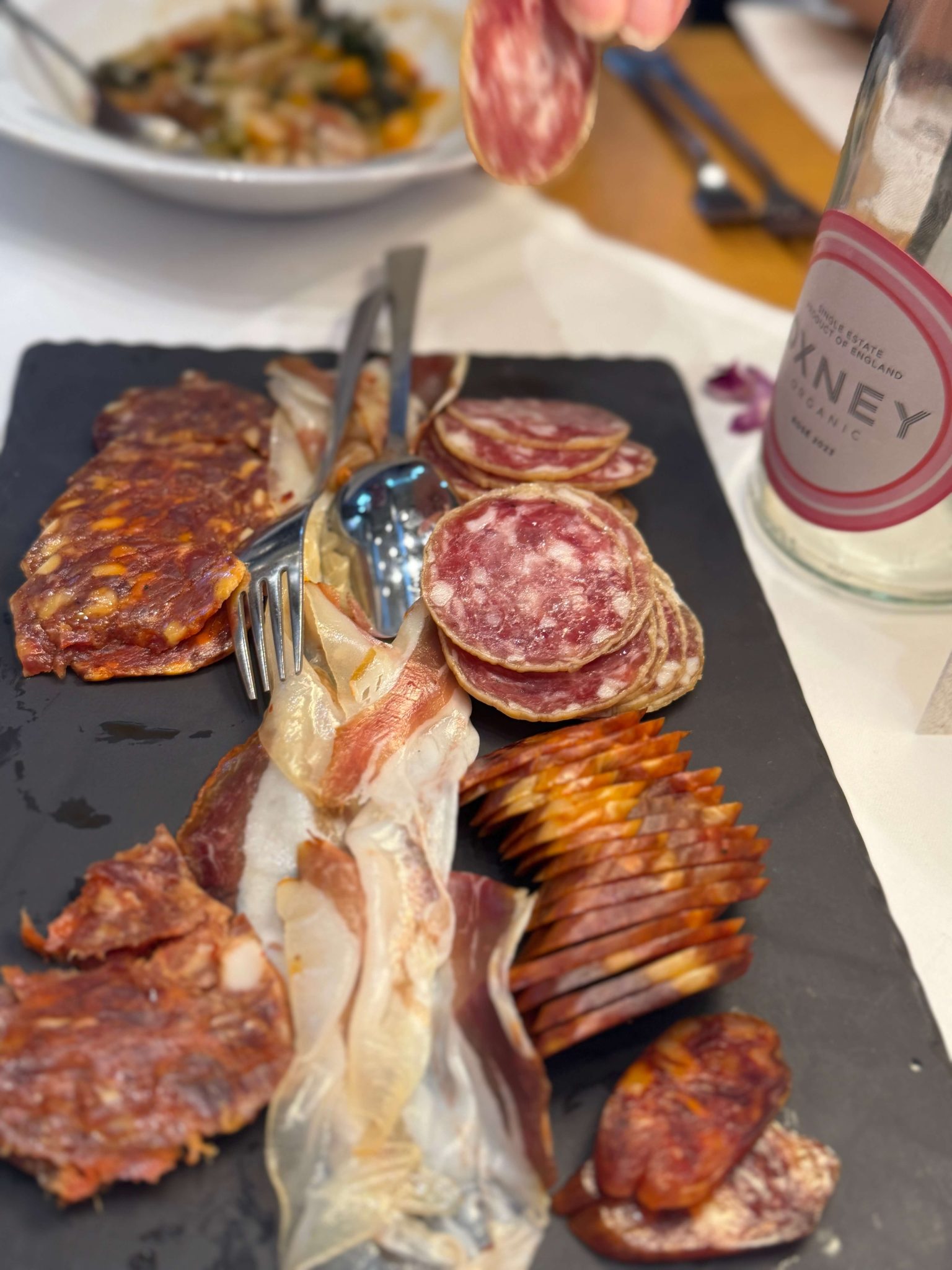
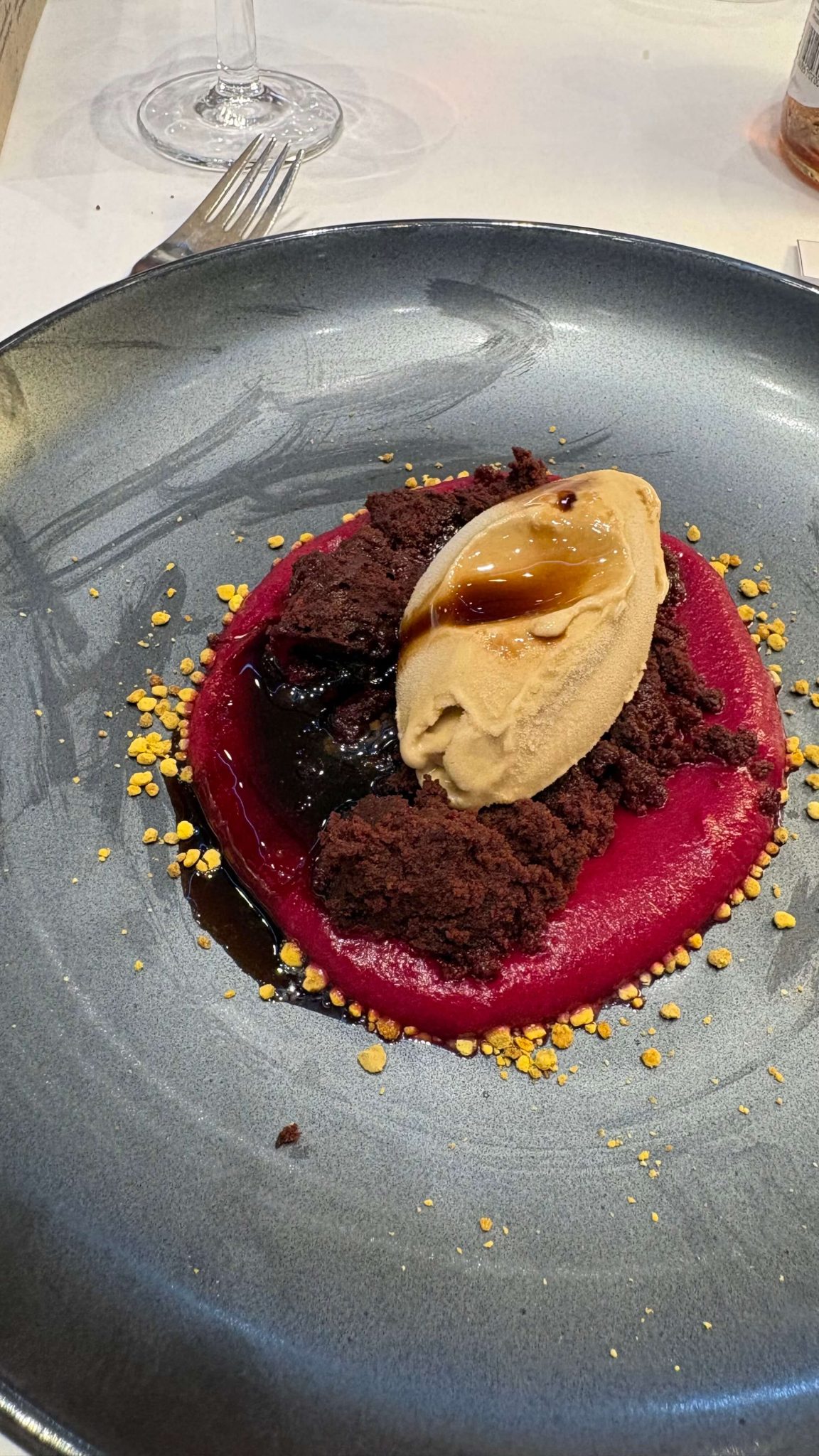
Friday Dinner
From Sun to Soil: A Living System Menu
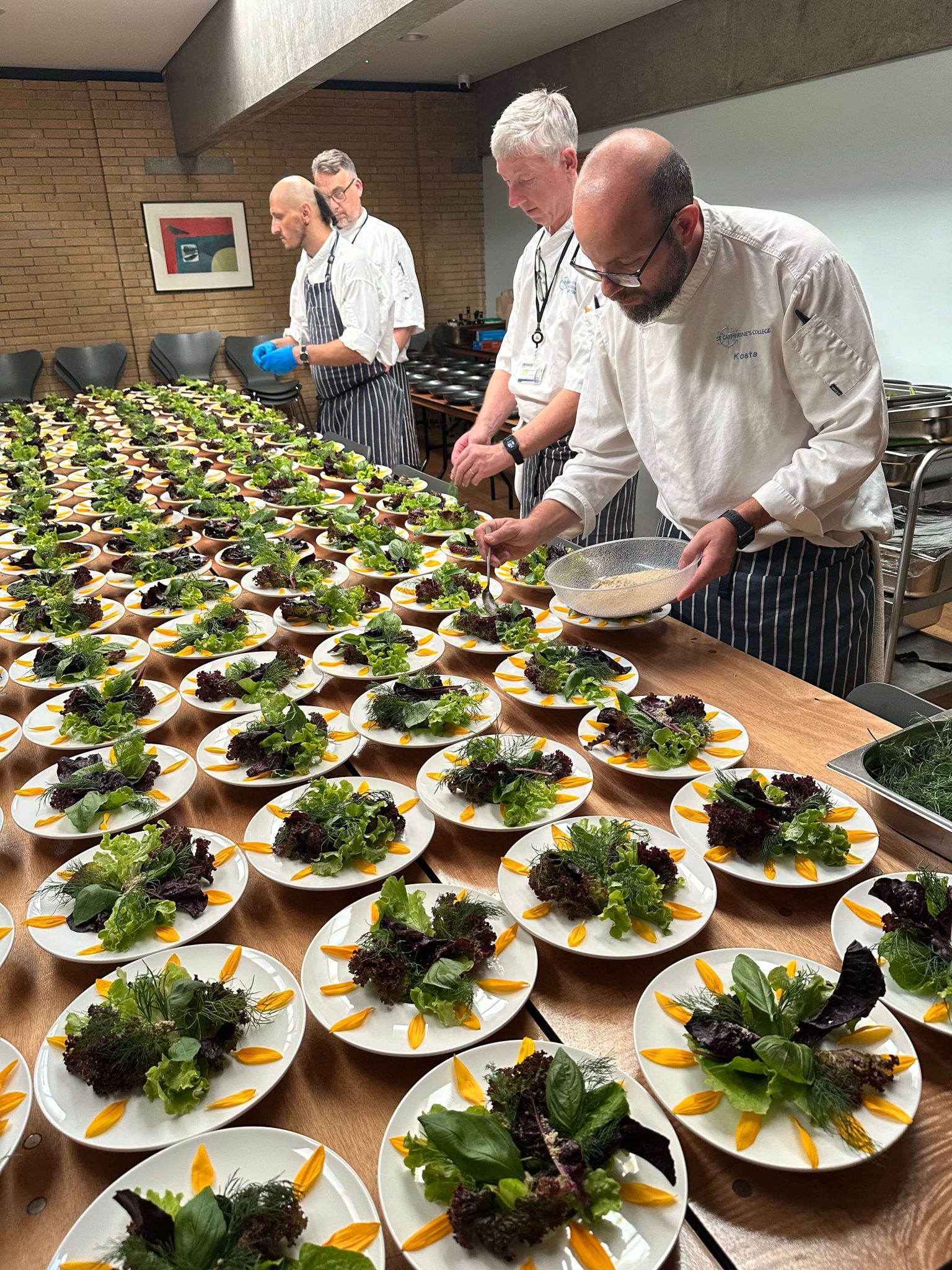
Devised by – Tom Hunt with Chef Tim Kelsey and the St Catz team
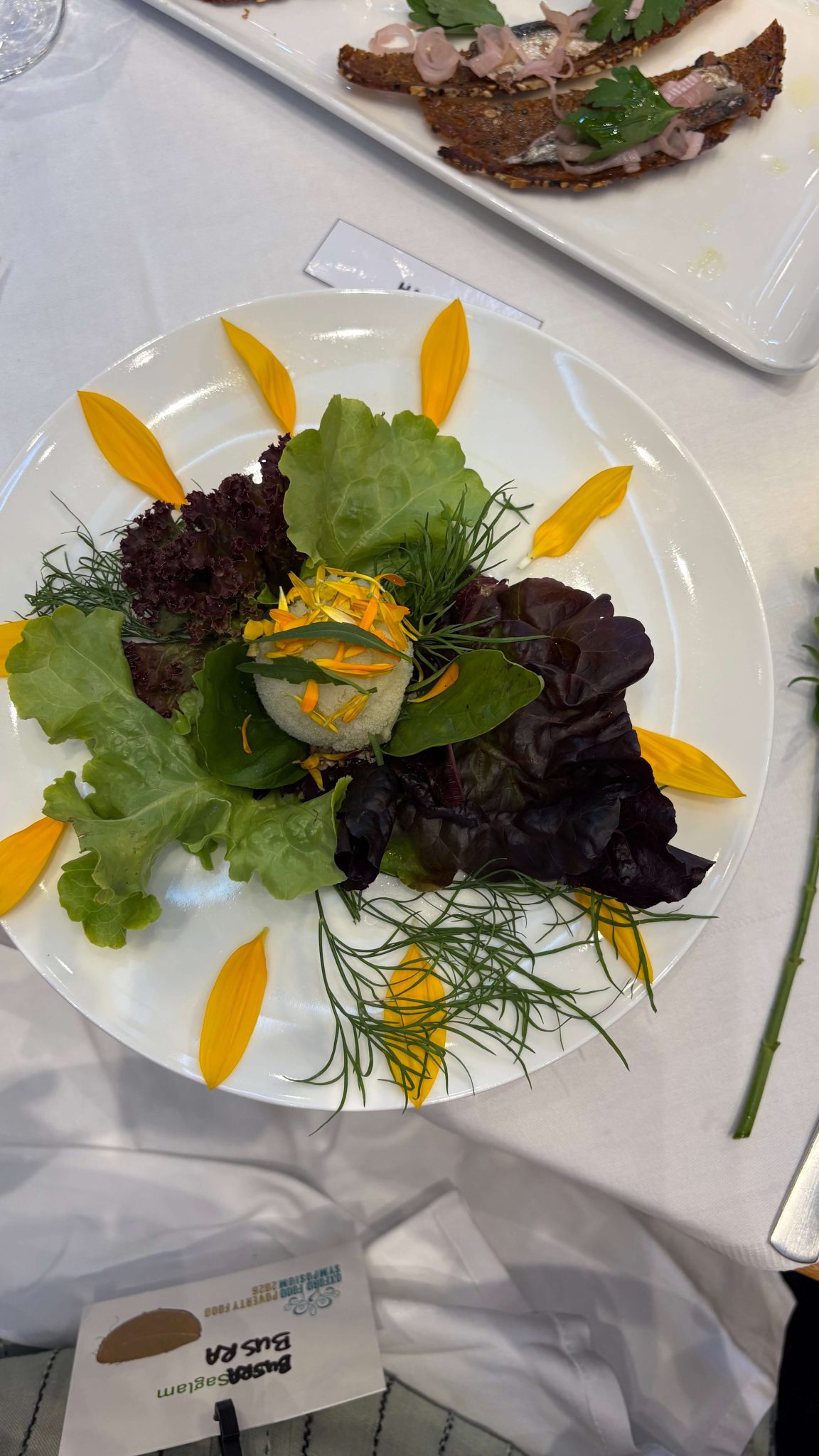
To start – Sunflower, calendula, cosmos, oxeye daisy, camomile, borage, nasturtium, viola, basil, chervil, flat parsley, Red Manet, Red Batavia, Green Frizzy, gooseberry sorbet, served with Proof Social Bakehouse’s focaccia
Main course – Ribollita with orange and fennel salad, and low-on-the-hog charcuterie: Ventrichina, Lonzino, Soprisada, ’Ndujaa
Dessert – Beetroot cooked in spent coffee grounds, coffee ice cream, balsamic
To drink – Oxney Organic Estate, East Sussex, UK – Rosé 2023
Oxney Organic Estate, East Sussex, UK – Chardonnay 2024
Saturday Lunch
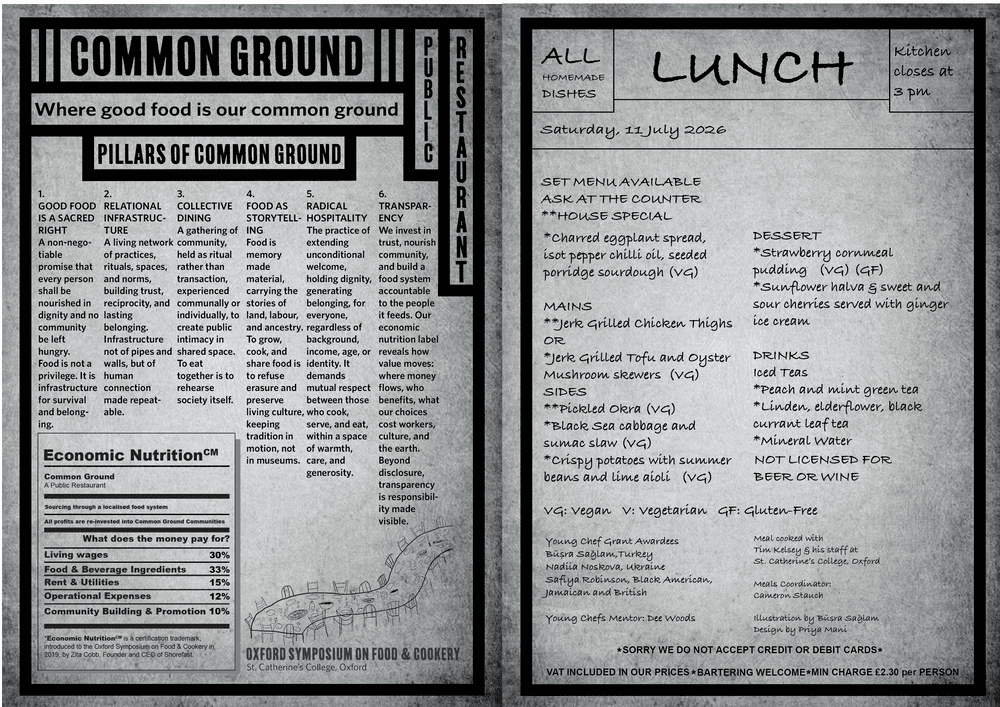
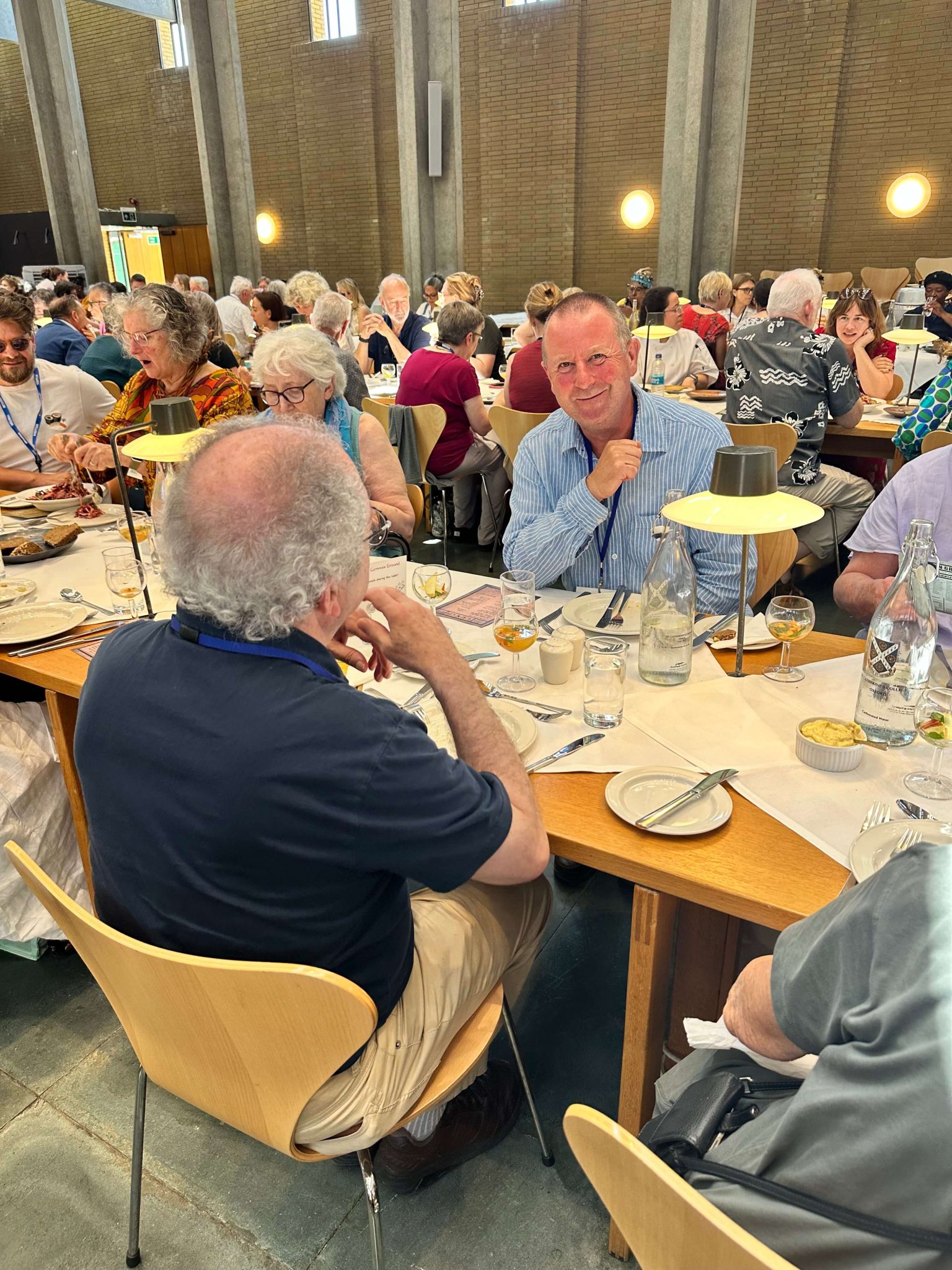
Common Ground: Where Good Food is Our Common Ground
Devised by – Young Chef Grant Awardees Büşra Sağlam, Nadiia Noskova and Safiya Robinson, with Young Chefs Mentor Dee Woods, Chef Tim Kelsey and the St Catz team
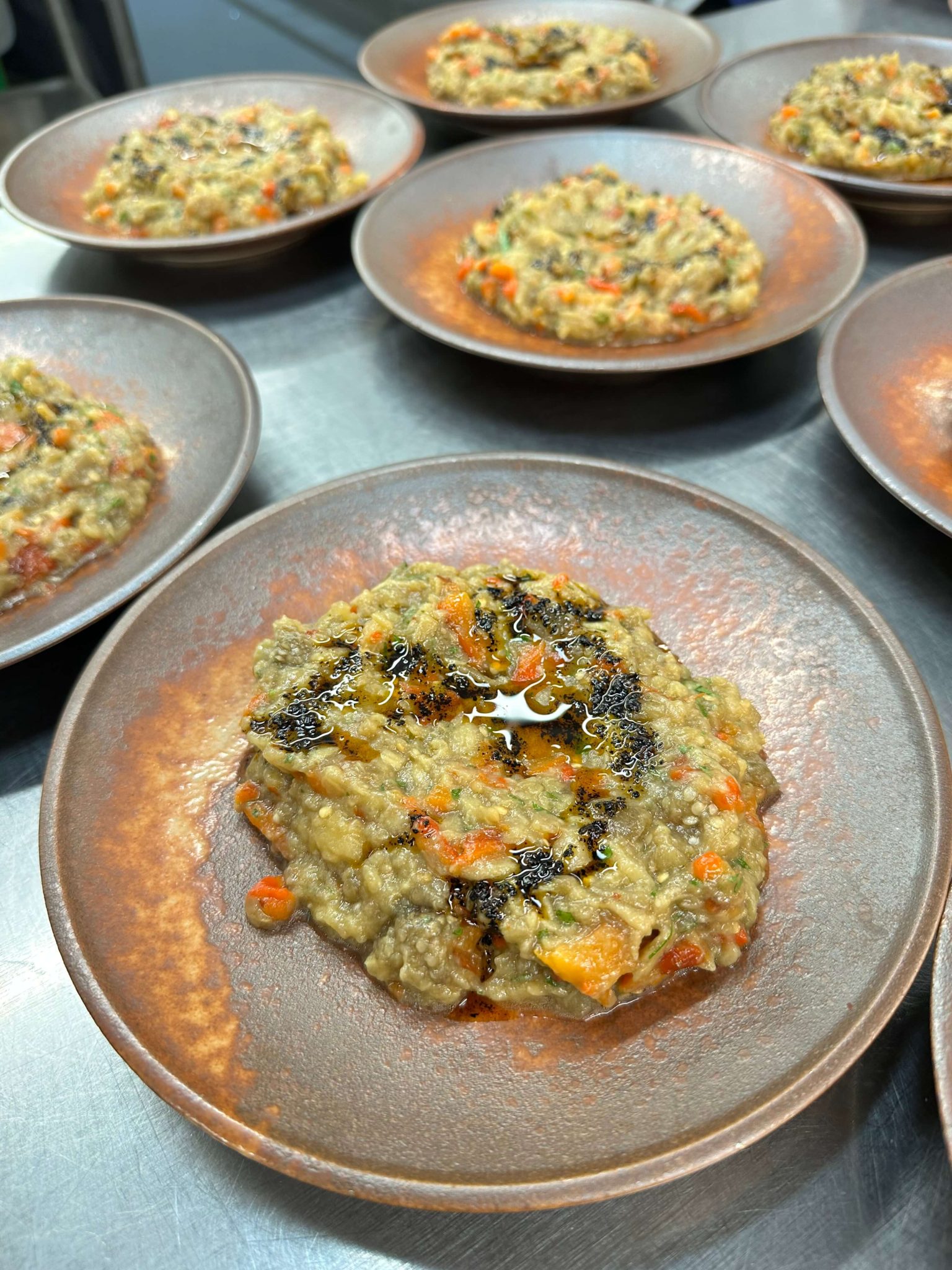
To start – Charred eggplant spread, isot pepper chilli oil, seeded porridge sourdough
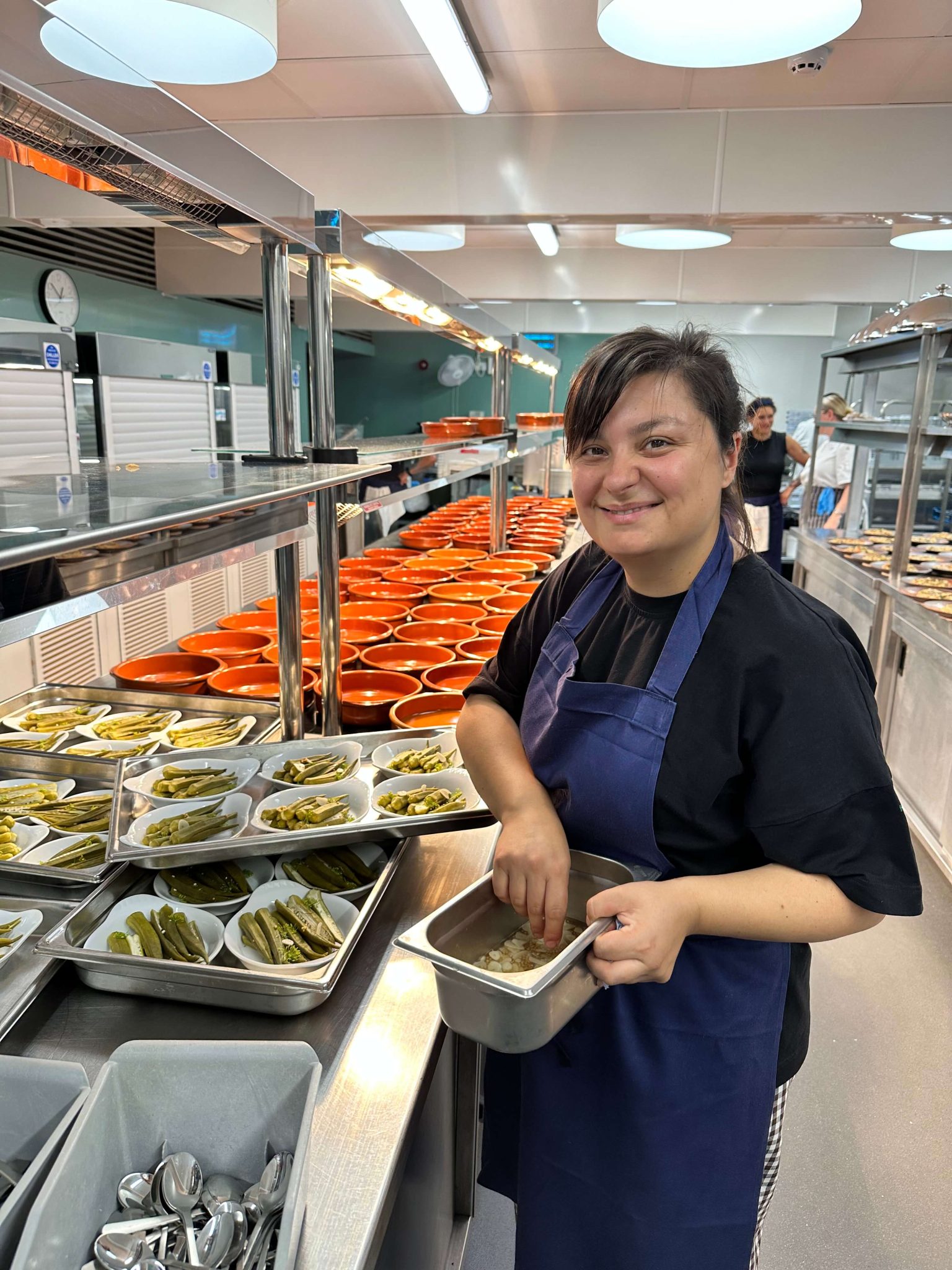
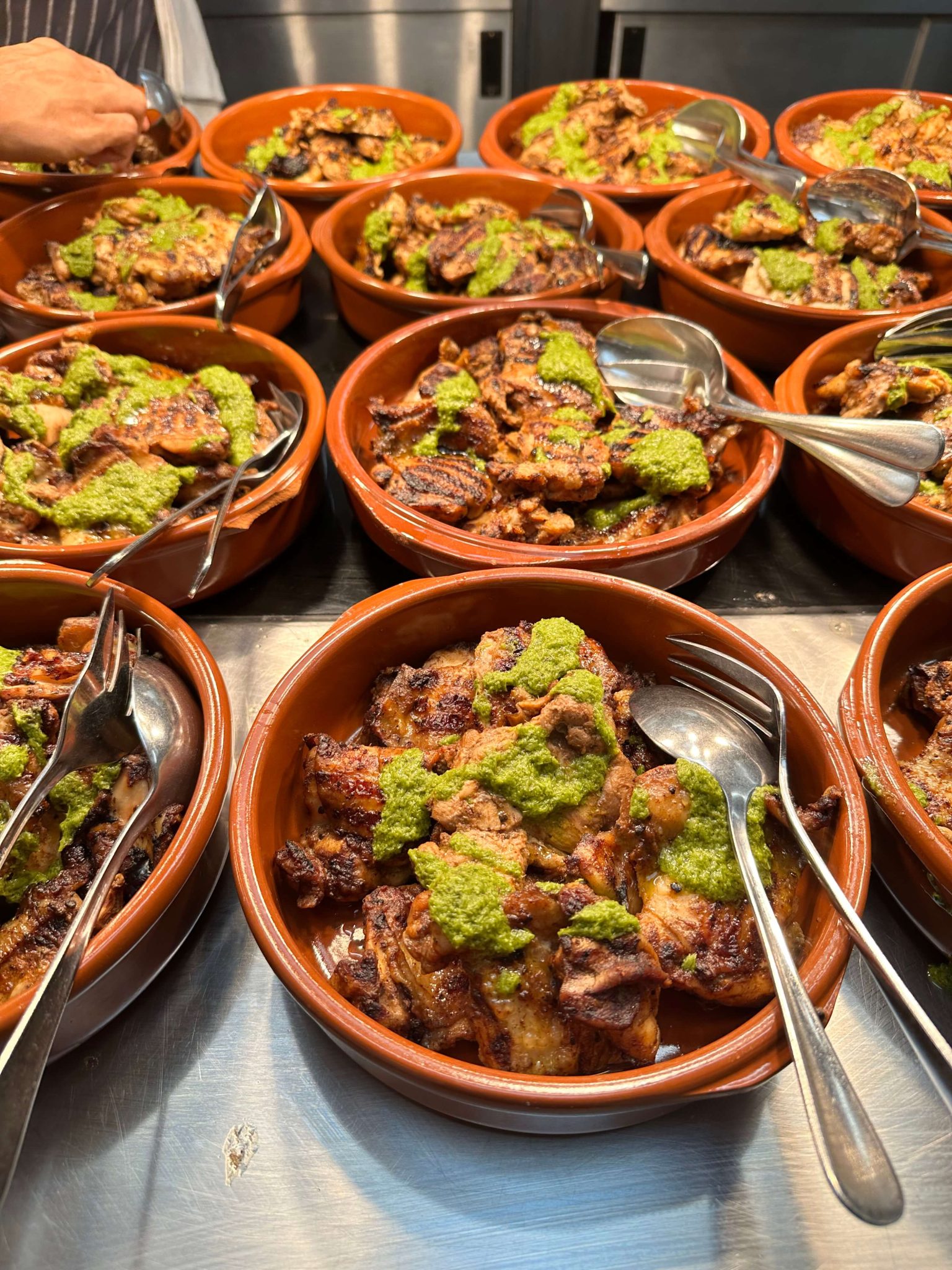
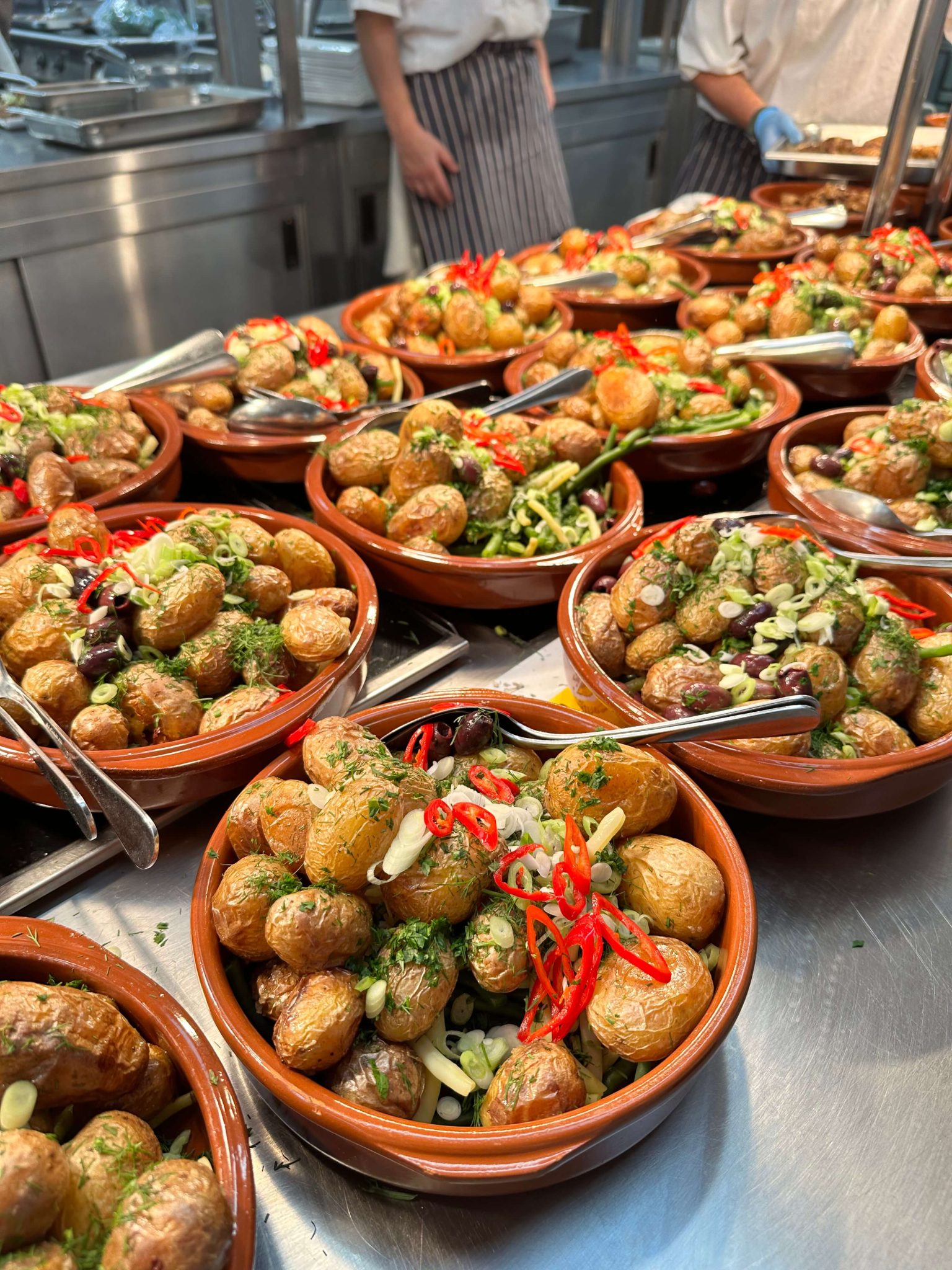
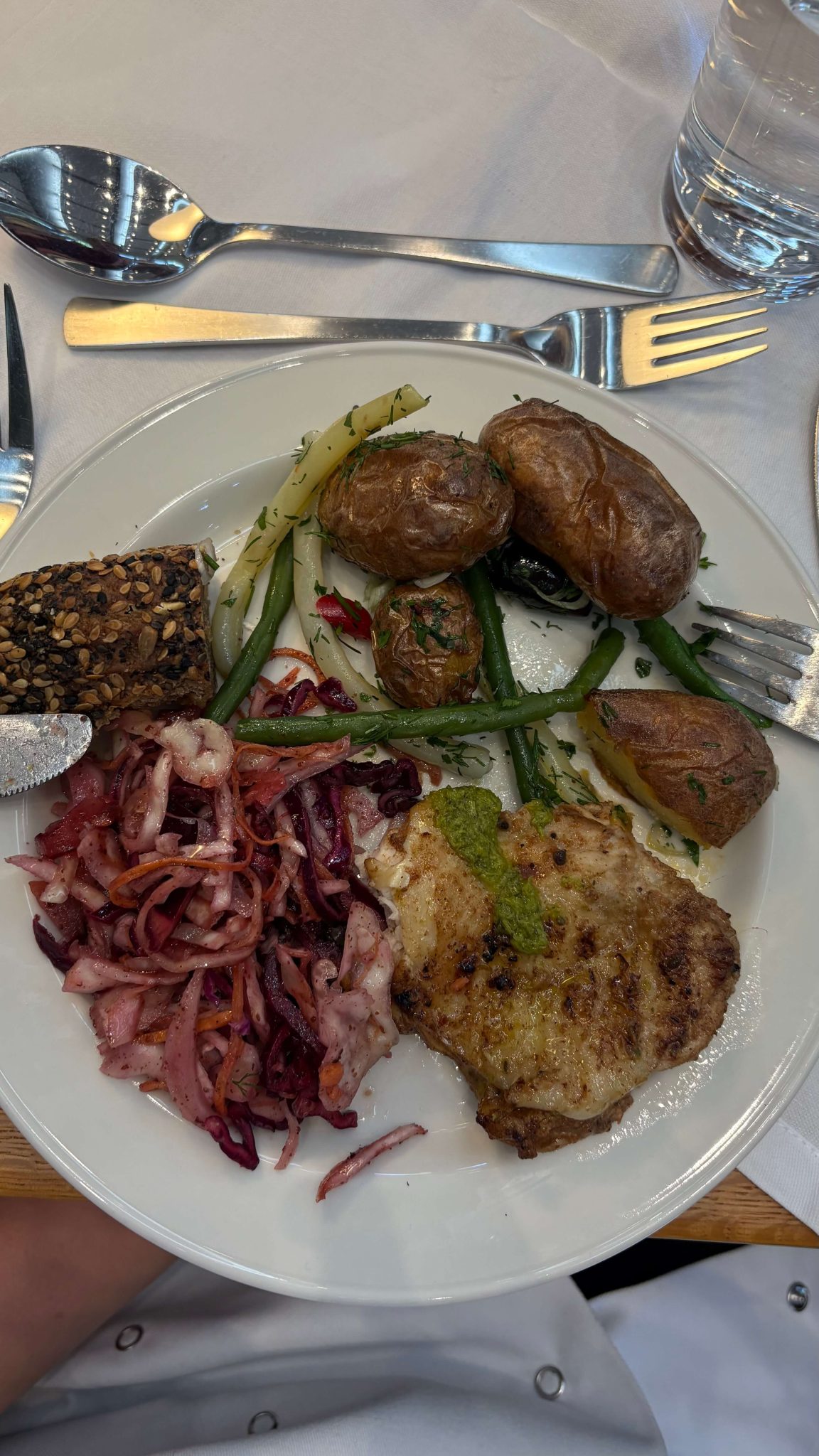
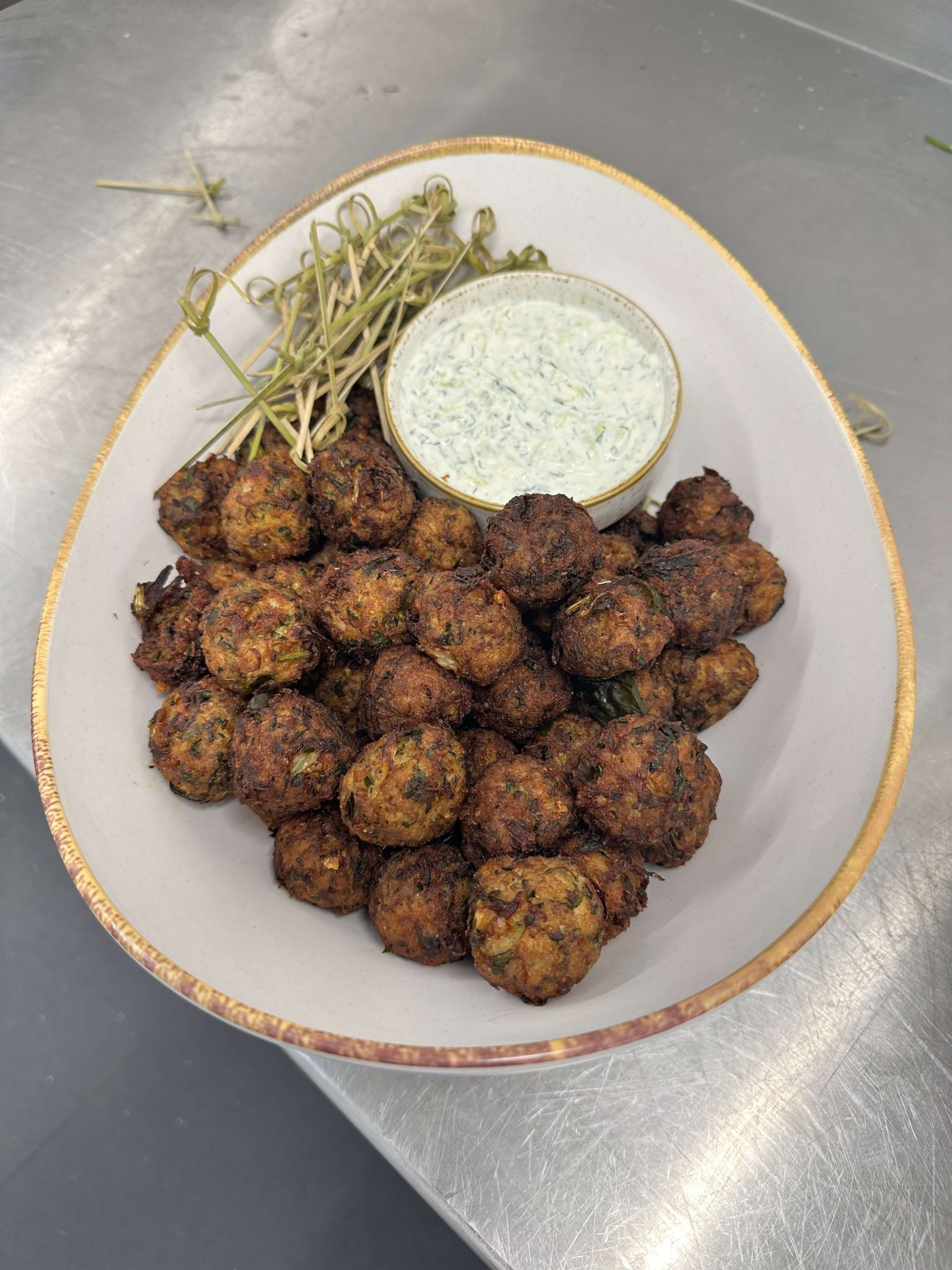
Main course – Jerk grilled chicken thighs or jerk grilled tofu and oyster mushroom skewers; with pickled okra, Black Sea cabbage and sumac slaw, and crispy potatoes with summer beans and lime aioli
Dessert – Strawberry cornmeal pudding; sunflower halva with sweet and sour cherries, served with ginger ice cream
To drink – Iced teas: peach and mint green tea; linden, elderflower and black currant leaf tea; mineral water
Saturday Dinner
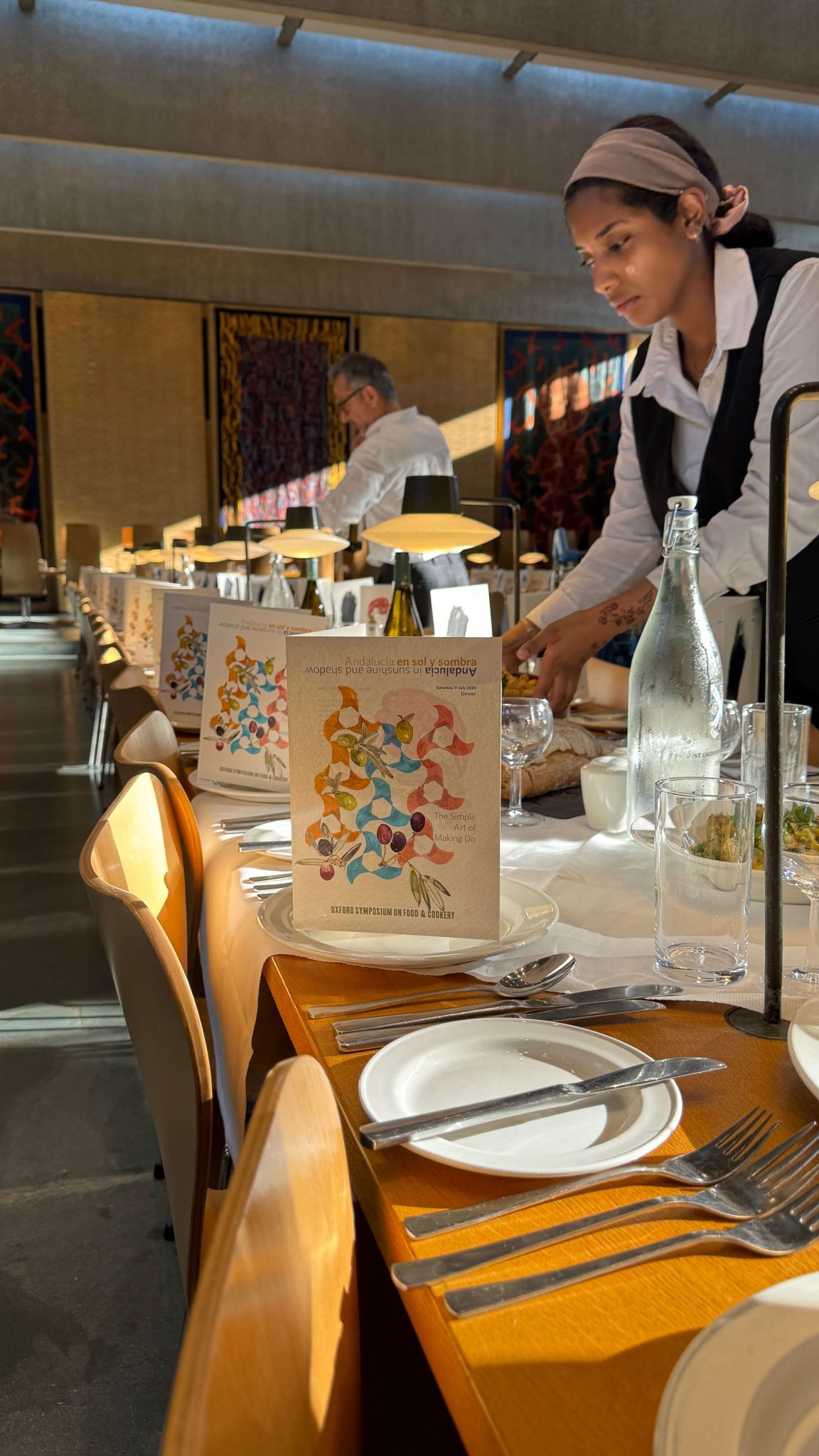
Andalucía en Sol y Sombra: The Simple Art of Making Do
Devised by – Elisabeth Luard with Chef Tim Kelsey and the St Catz team
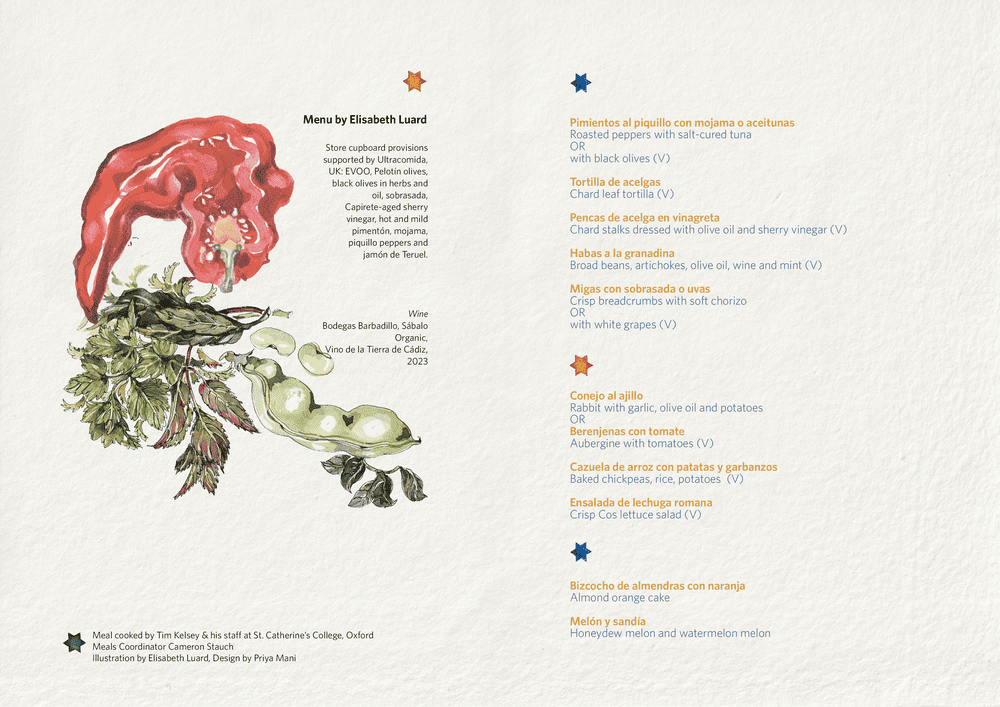
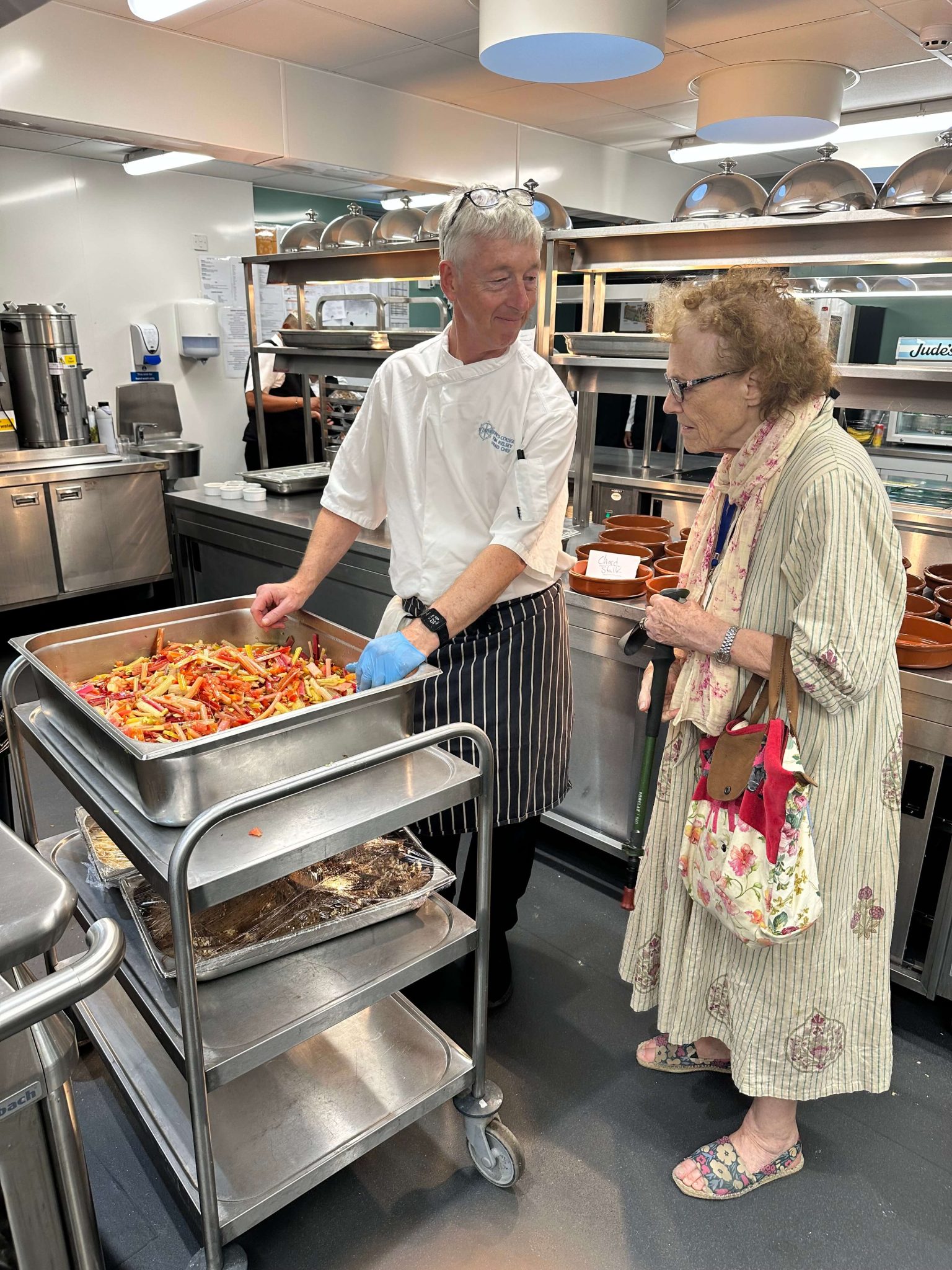
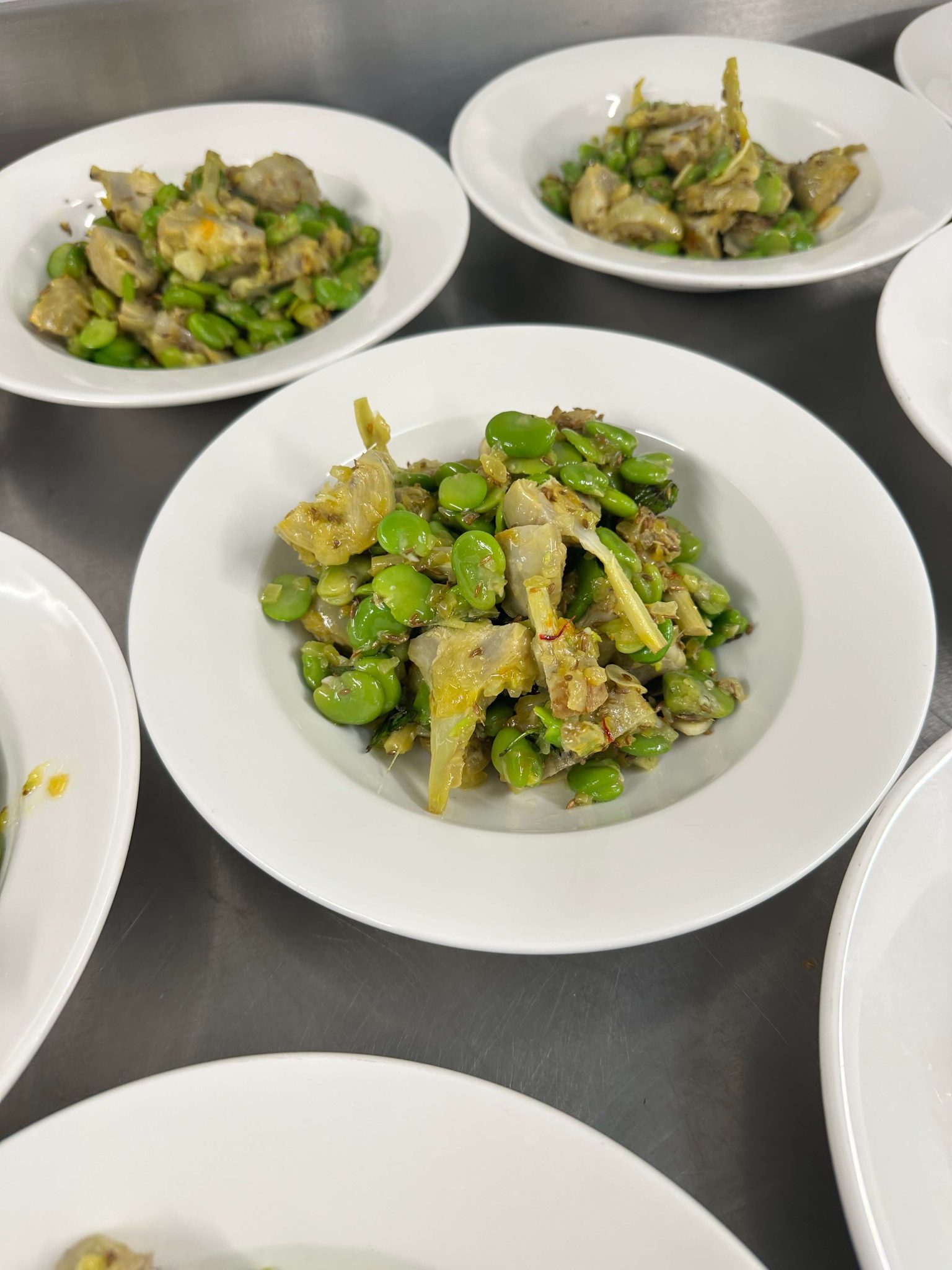
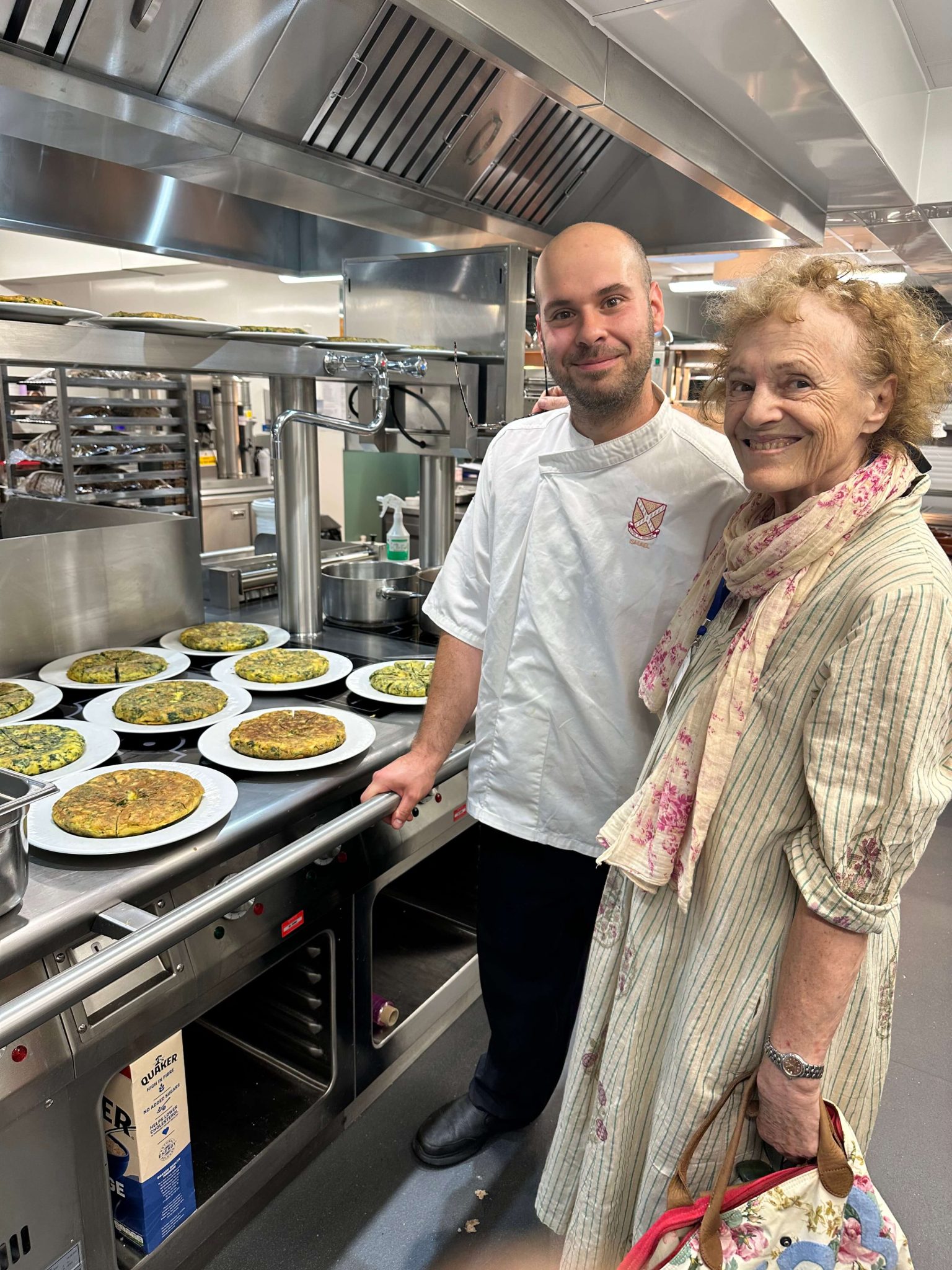
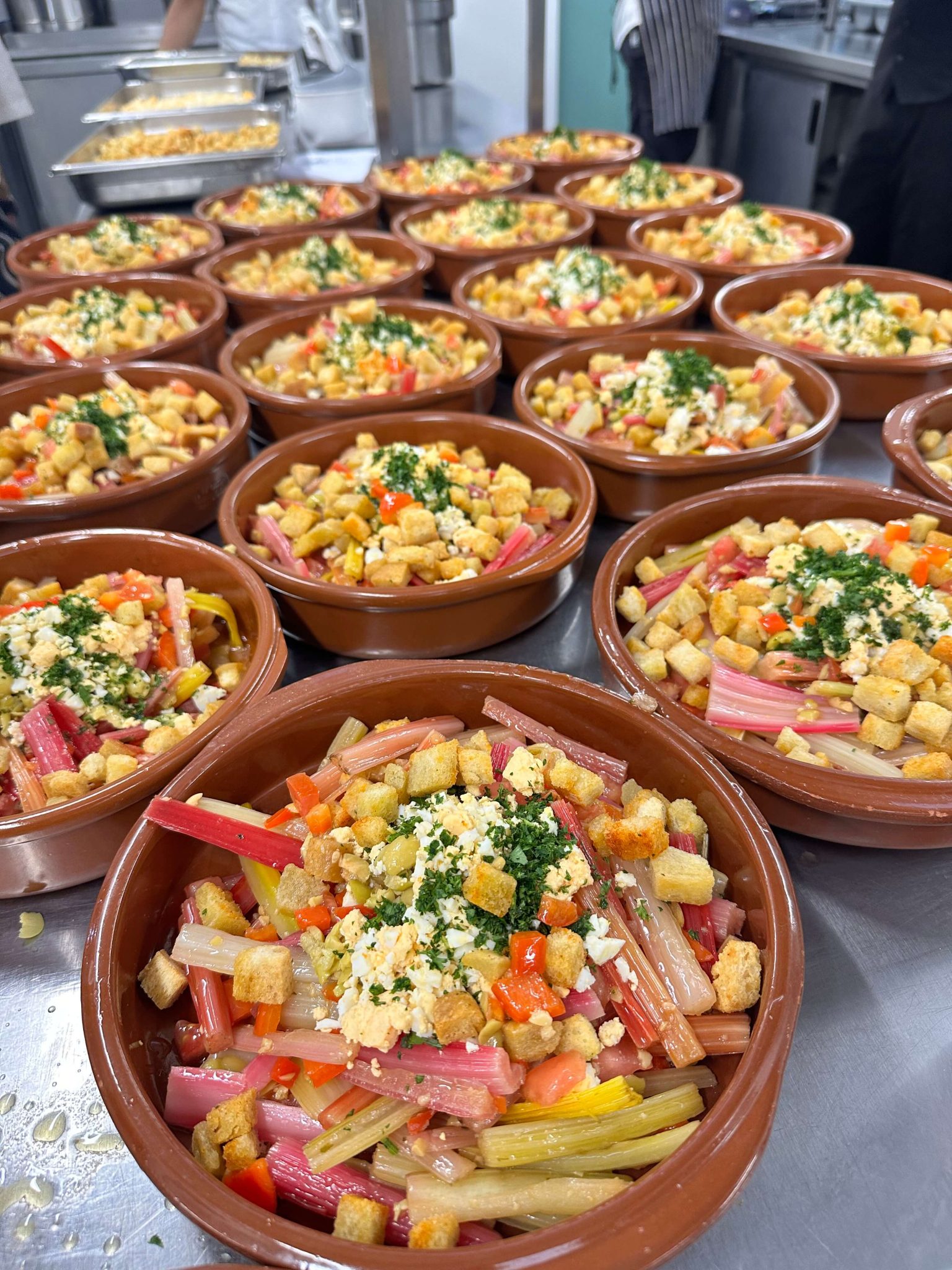
To start – Pimientos al piquillo con mojama o aceitunas – roasted peppers with salt-cured tuna or with black olives; tortilla de acelgas – chard leaf tortilla; pencas de acelga en vinagreta – chard stalks dressed with olive oil and sherry vinegar; habas a la granadina – broad beans, artichokes, olive oil, wine and mint; migas con sobrasada o uvas – crisp breadcrumbs with soft chorizo or with white grapes
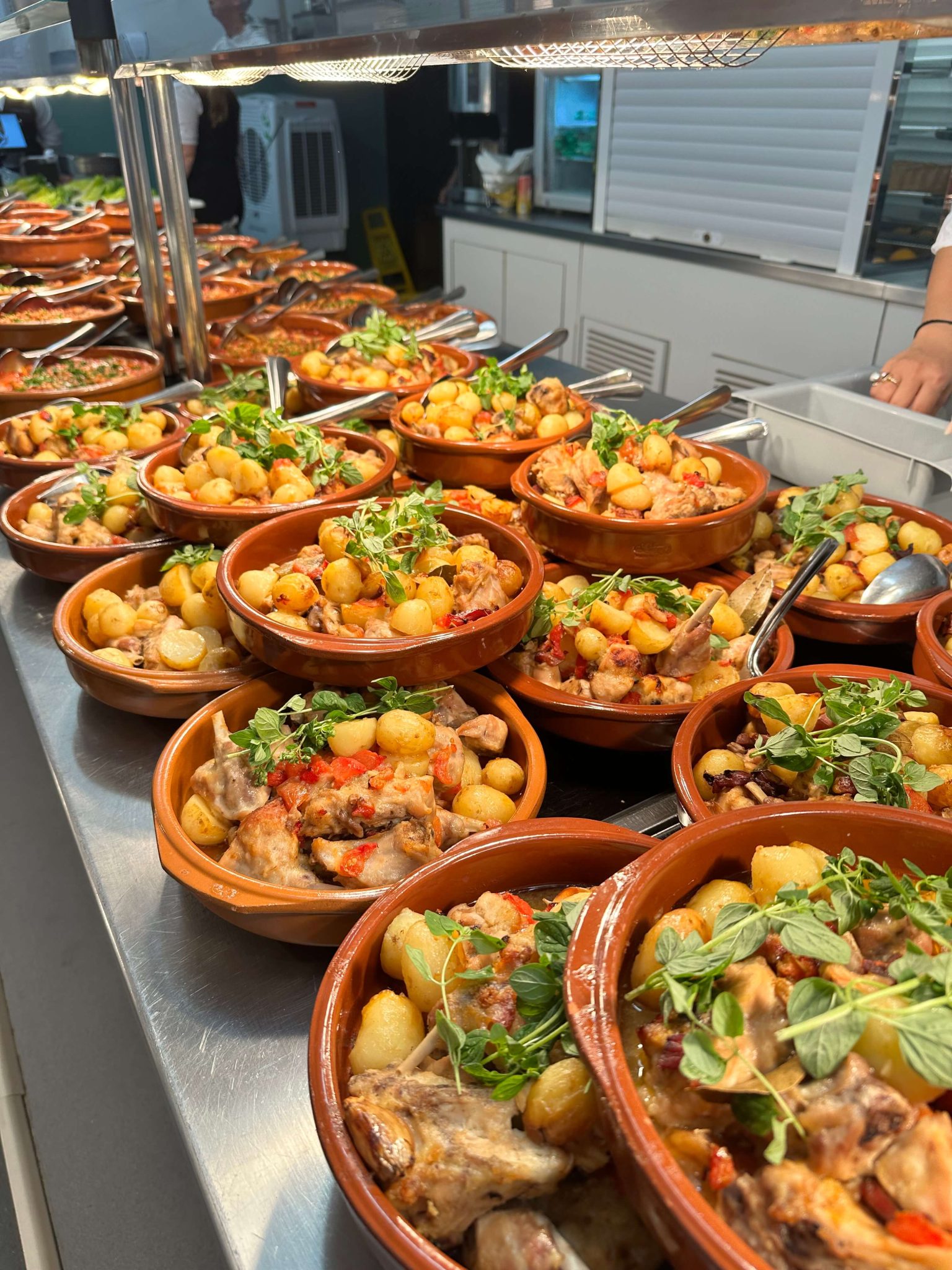
Main course – Conejo al ajillo – rabbit with garlic, olive oil and potatoes, or berenjenas con tomate – aubergine with tomatoes; cazuela de arroz con patatas y garbanzos – baked chickpeas, rice and potatoes; ensalada de lechuga romana – crisp Cos lettuce salad
Dessert – Bizcocho de almendras con naranja – almond orange cake; melón y sandía – honeydew melon and watermelon melon
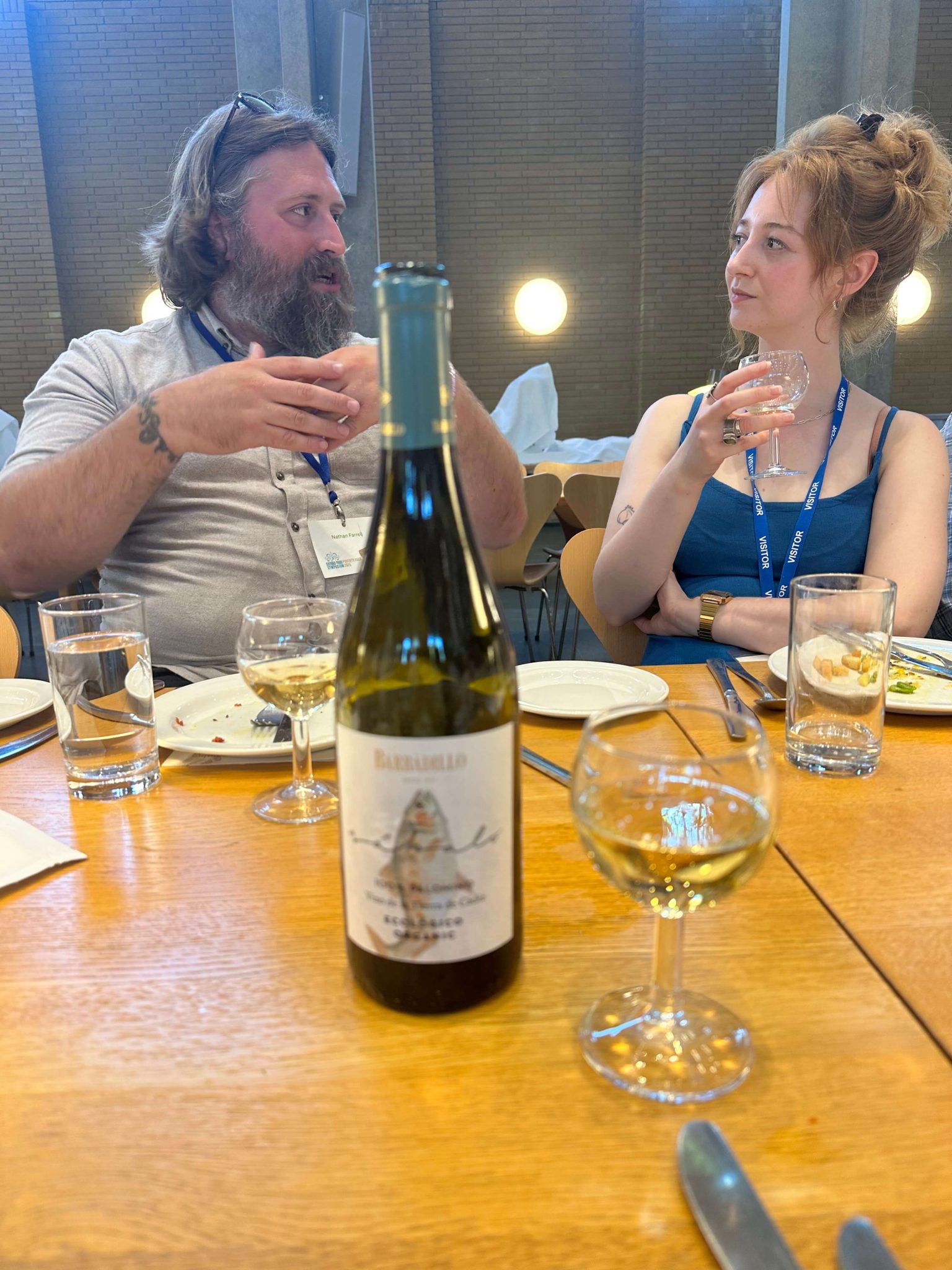
To drink – Bodegas Barbadillo, Sábalo Organic, Vino de la Tierra de Cádiz, 2023
Sunday Lunch
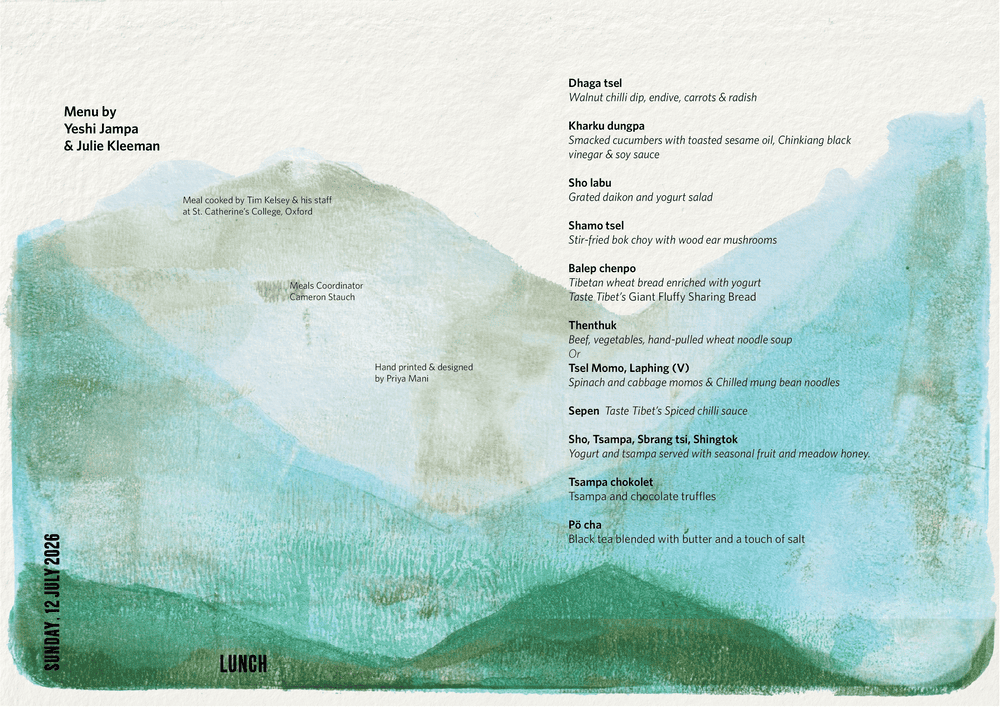
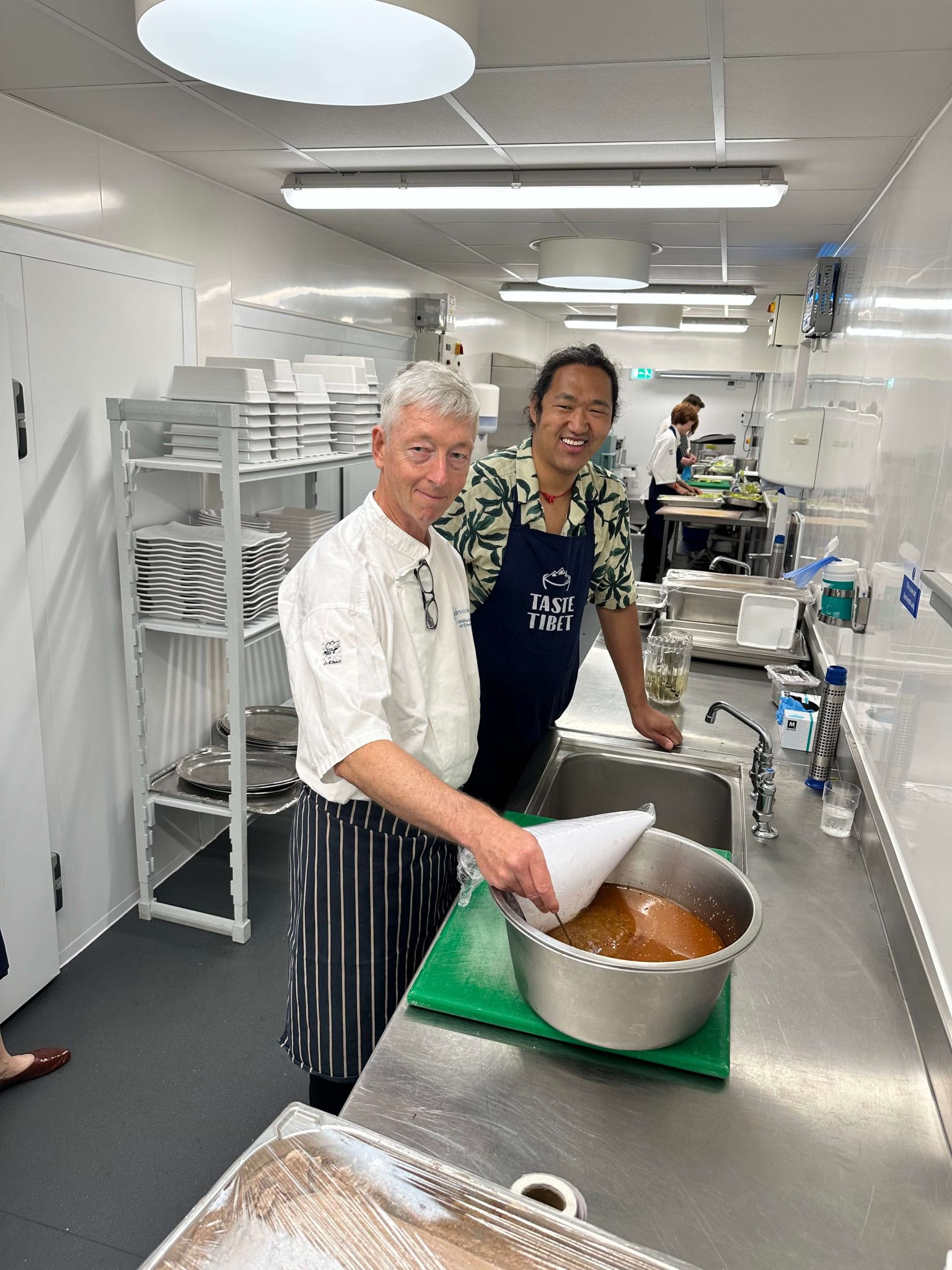
Portable Abundance from the Grasslands of Eastern Tibet
Devised by – Yeshi Jampa and Julie Kleeman with Chef Tim Kelsey and the St Catz team
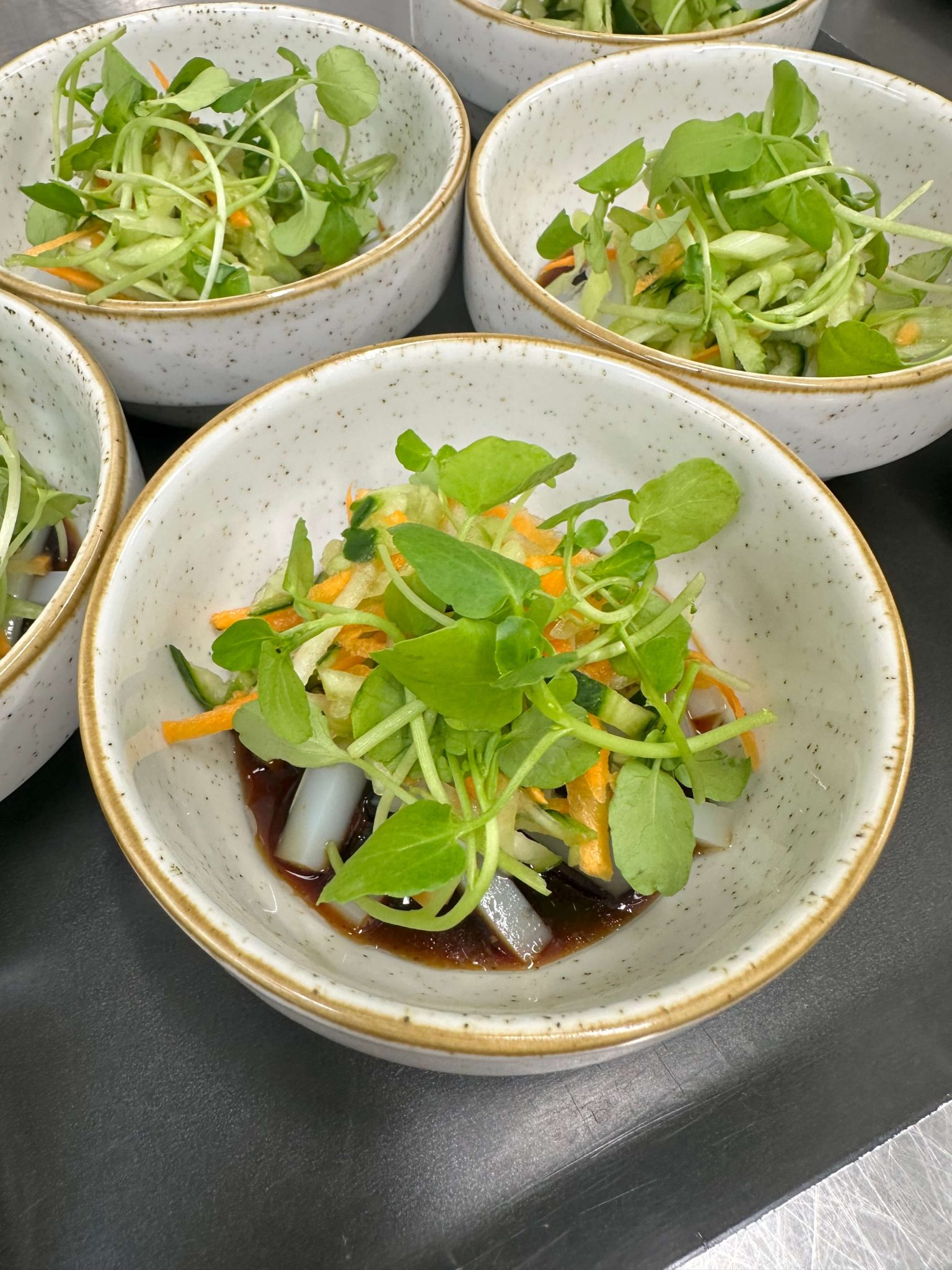
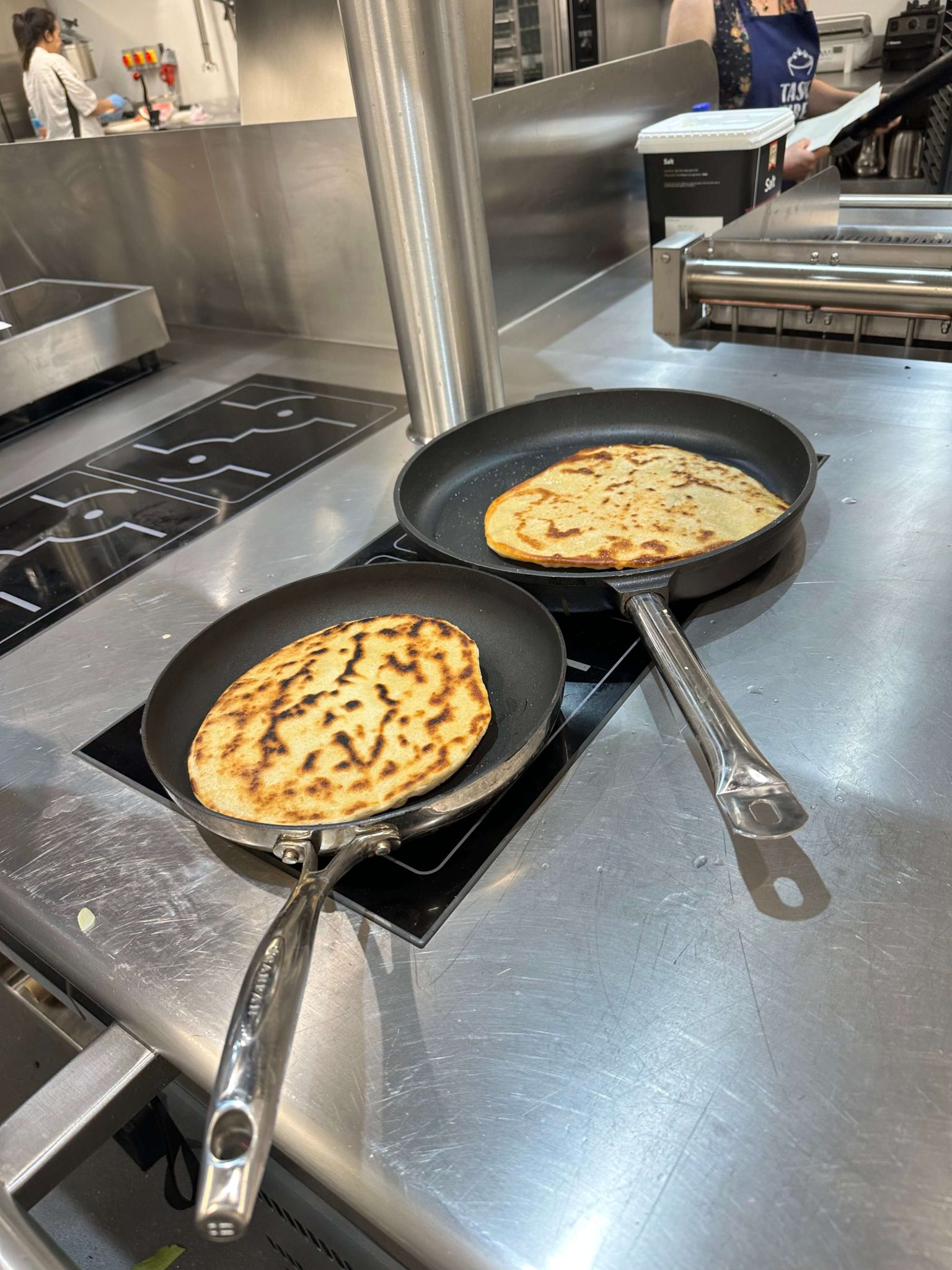
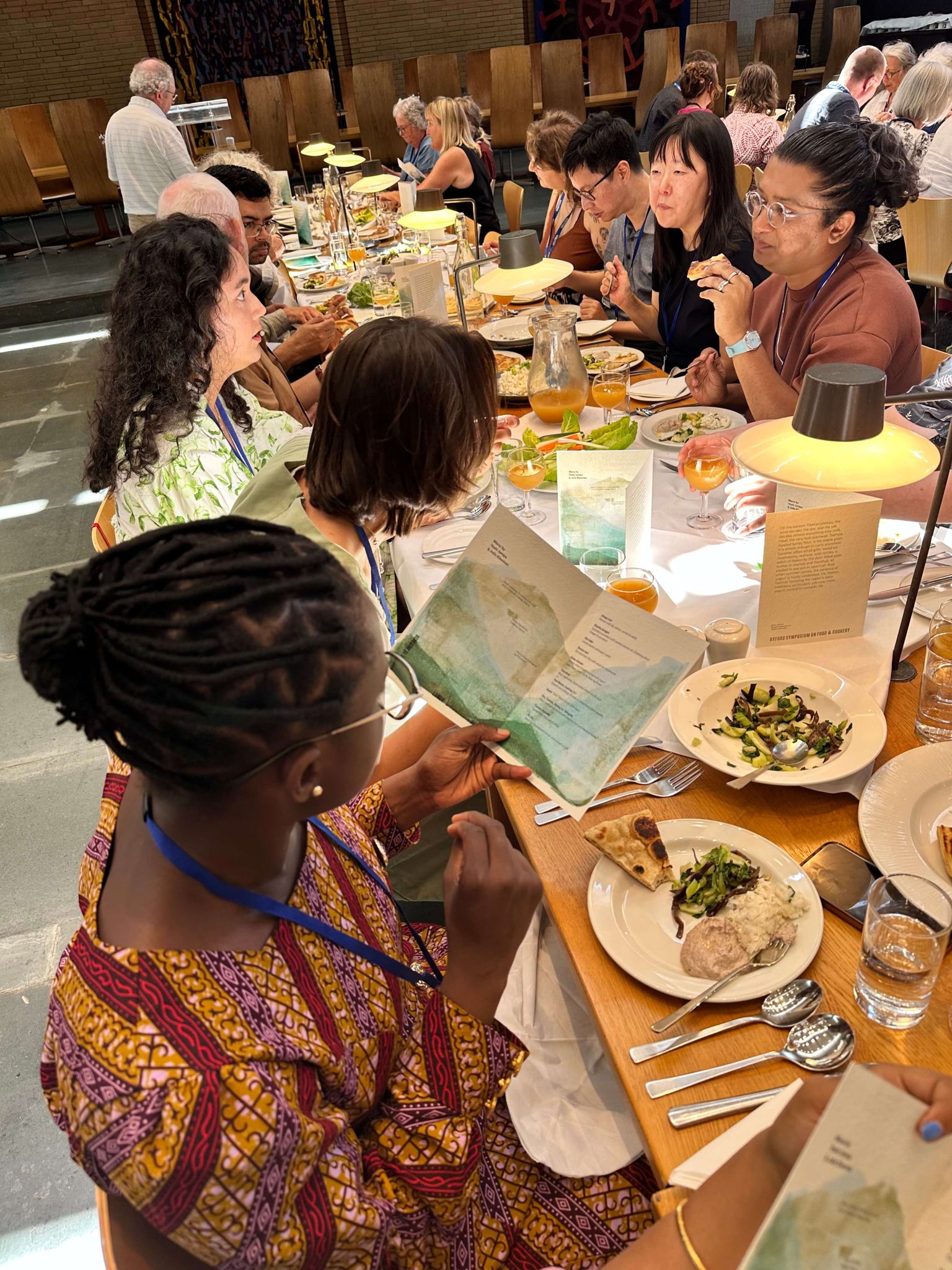
To start – Dhaga tsel – Walnut chilli dip, endive, carrots & radish; Kharku dungpa – Smacked cucumbers with toasted sesame oil, Chinkiang black vinegar & soy sauce; Sho labu – Grated daikon and yogurt salad; Shamo tsel – Stir-fried bok choy with wood ear mushrooms; Balep chenpo – Tibetan wheat bread enriched with yogurt, Taste Tibet’s Giant Fluffy Sharing Bread
Main course –
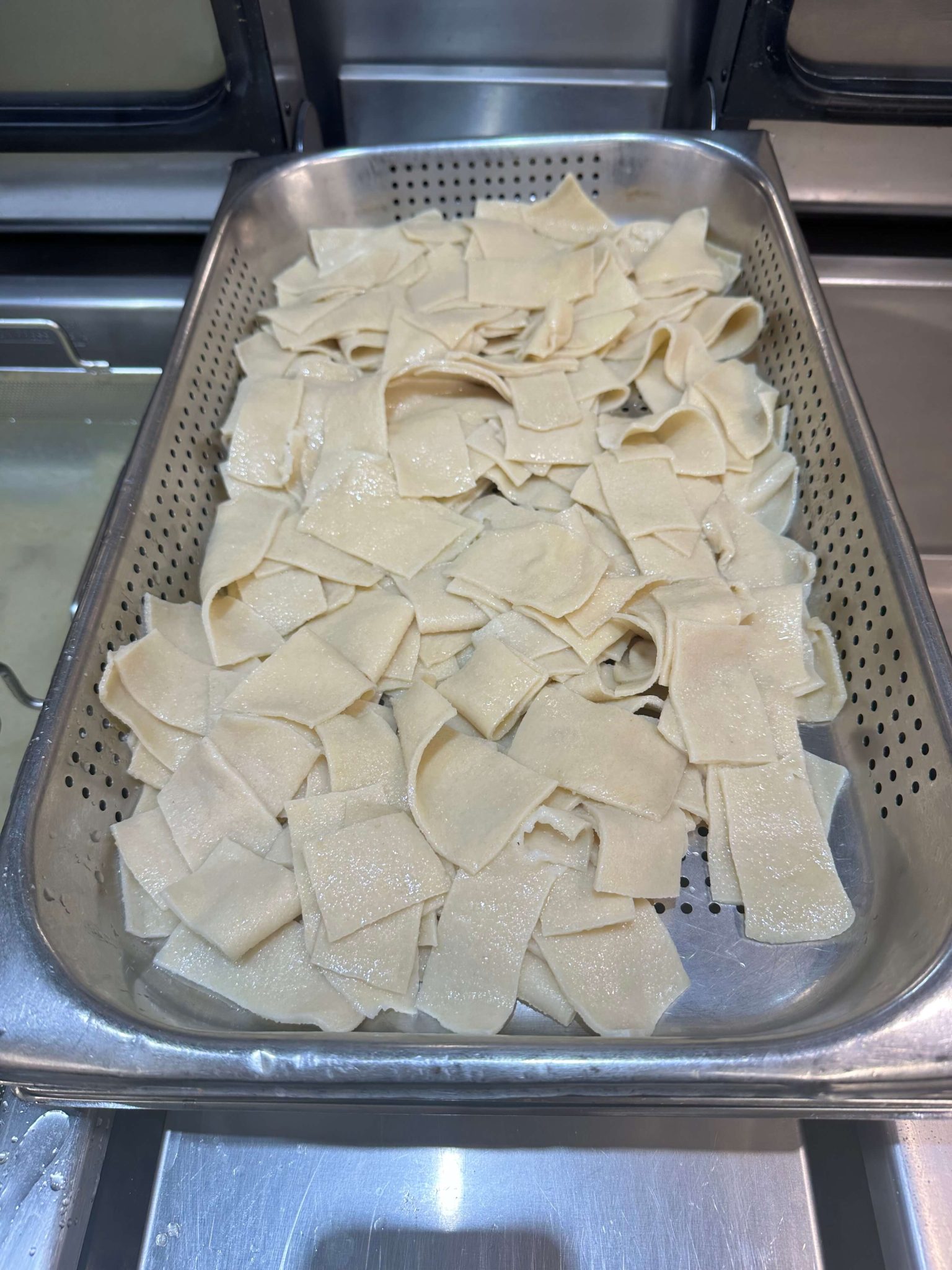
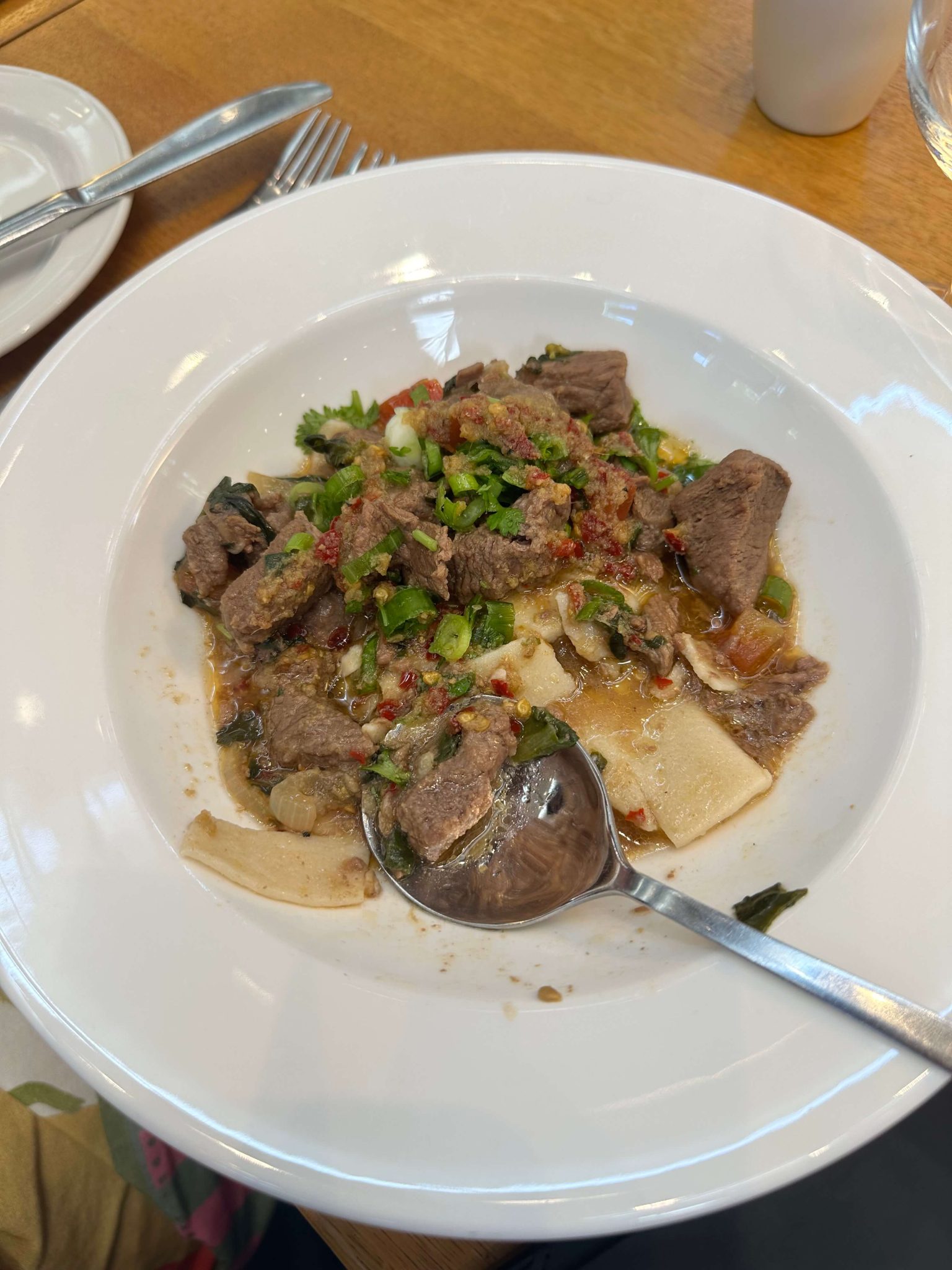
Thenthuk – Beef, vegetables, hand-pulled wheat noodle soup; or Tsel Momo, Laphing – Spinach and cabbage momos & chilled mung bean noodles; Sepen – Taste Tibet’s Spiced chilli sauce
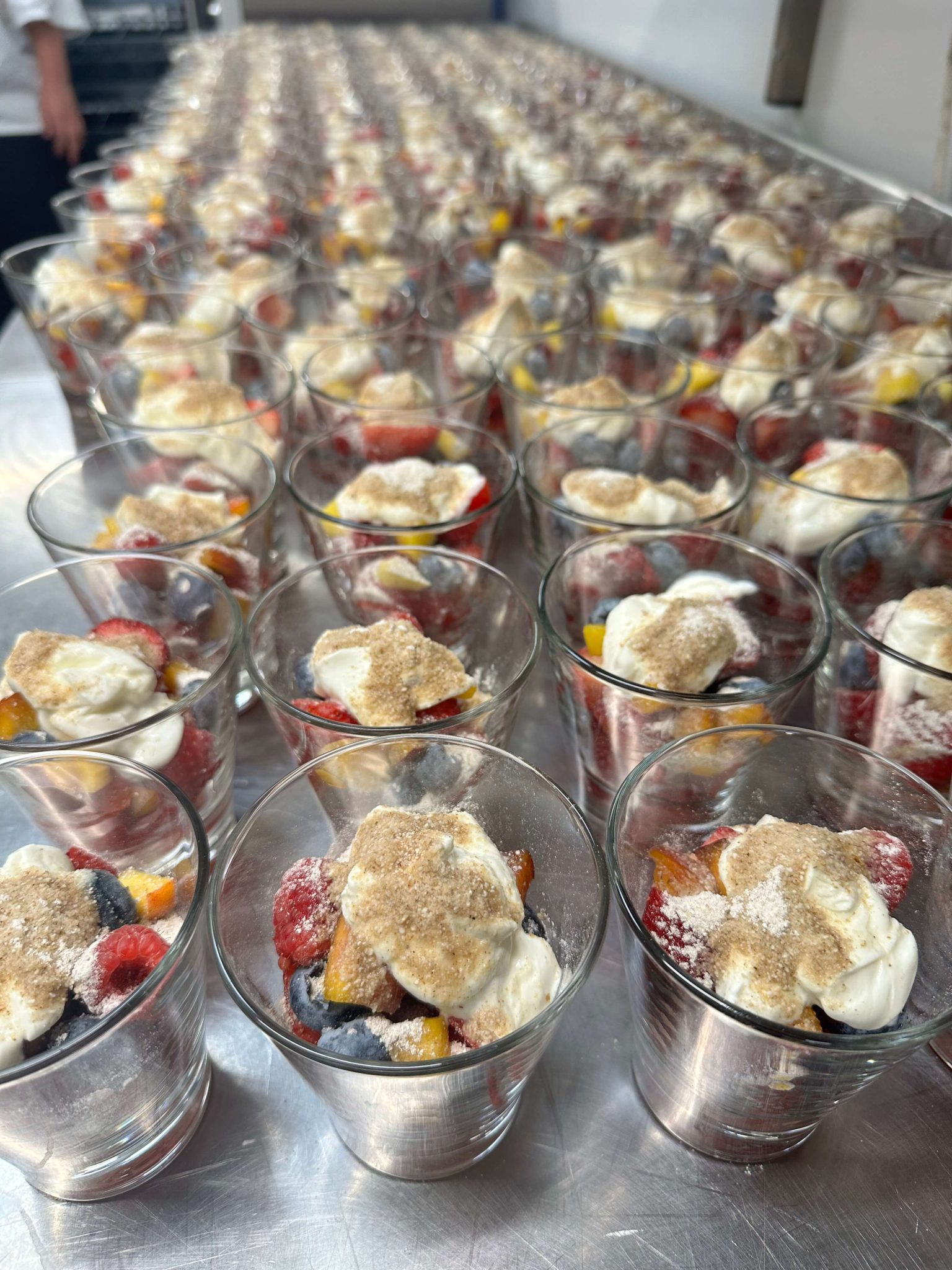
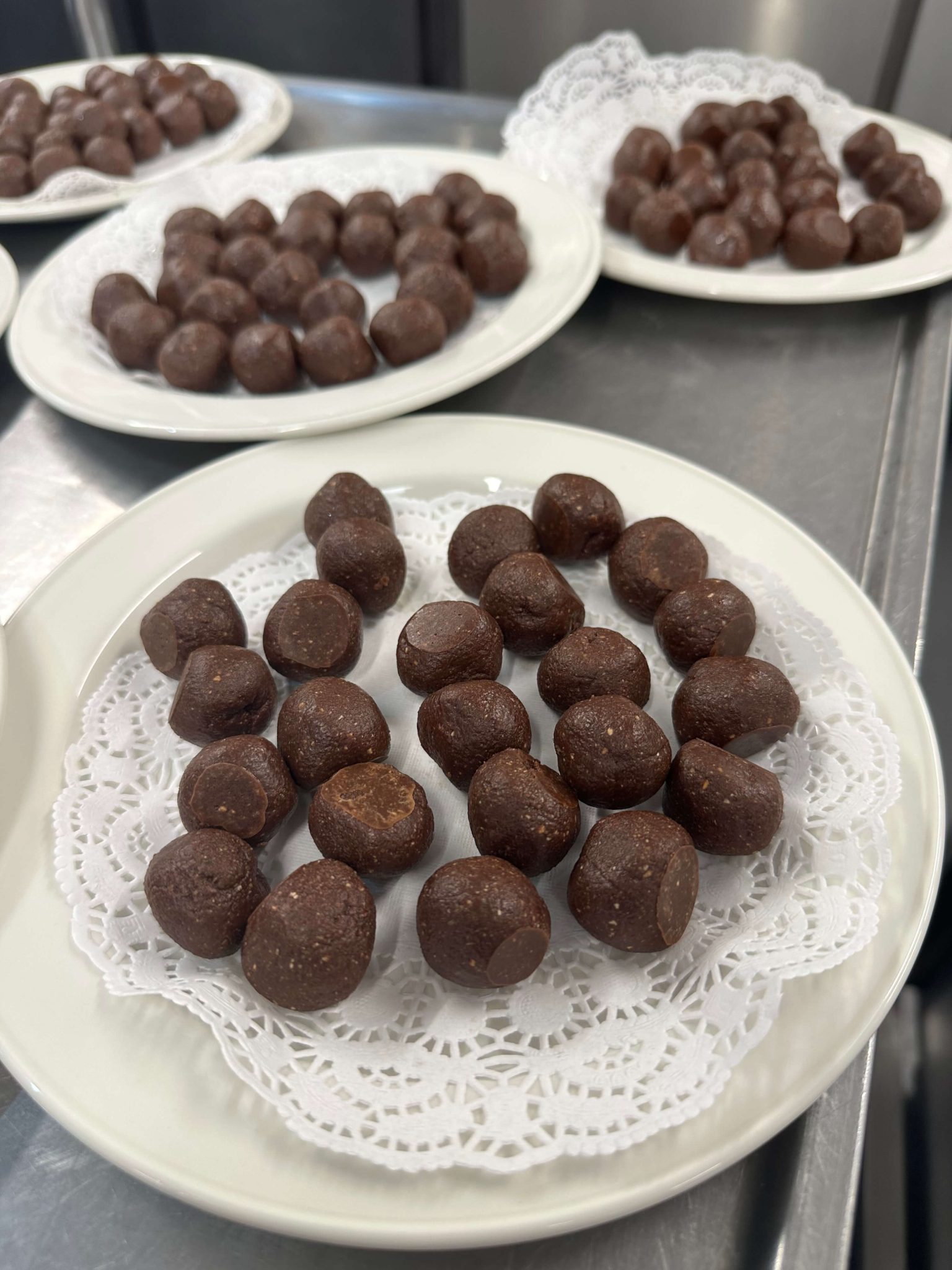
Dessert – Sho, Tsampa, Shrang tsi, Shingtok – Yogurt and tsampa served with seasonal fruit and meadow honey; Tsampa chokolet – Tsampa and chocolate truffles
To drink – Pö cha – Black tea blended with butter and a touch of salt
After dinner events
Cathy Kaufman
How to Feed a Dictator, a new documentary directed by Andrew Neel of SeeThink Films, introduced by Cathy Kaufman
Priya Mani, Jane Levi
A Community Stitching Circle, Round 1
Priya Mani, Jane Levi
A Community Stitching Circle, Round 2
Valérie Lagier and Mary Margaret Chappell
Films from the Front: The Food Relief Initiatives of the American Committee for Devastated France

Parallel sessions & papers
Panel 1 – The Sweet Potato as Famine Food, from Ryukyu Kingdom Tokunoshima to Modern Japan
— Satsuma Imo: The Sweet Potato That Saved Japan
— Peeling Imo (Sweet Potatoes)
Panel 2 – The Riches of Poverty Food: Re-evaluating and Revaluing
— Under the Radar: How Chilli Peppers Entered Old World Cuisine
— Historic Taste of Pulque: Embodied Knowledge Against Narratives of Dispossession
Panel 3 – Culinary Empathies: Humanitarian Relief Aid and Recipes for Respect
— Chocolate, Chickens, and Canned Goods: The Food Relief Initiatives of the American Committee for Devastated France
— A Persian Anomaly: The 14th-Century Cookery Book that Dared to Include a Chapter of Recipes Explicitly for the Poor
Panel 4 – Culinary Tourism: Slumming, Exoticizing, and Strategies for Reclaiming
— Eating, Drinking, and Playing Poorly: From Poverty Socials to White Trash Parties, 1890 to the Present
— A Rhetoric of Appalachian Foodways as Poverty Food: Exploitation and Counter-Hegemony
— Tourism on the Plate: How Rural Homestays are Quietly Rewriting Poverty Food in the Indian Himalayas
Panel 5 – Beyond Economics: The Deep Cultural Root of Social Policy
— Fault Lines and Food Sharing: An Affective Cartography
— Translating Poverty Food and Divergent Attitudes in Community Food-Sharing
— The Logics of Taking and Giving: Procuring Food in a Cost of Living Crisis
Panel 6 – Speak, Memory
— Ritualizing Scarcity: Festival Food, Seasonality, and Household Survival in North India
— Cooking Through Scarcity: Sonic Archives, Transgenerational Recipes, and the Memory of Hunger
— Nutritionally Good, Symbolically Inedible: Poverty Food, Memory, Refusal, and Reconciliation Across Three Korean Generations
Panel 7 – Future Shock Meets Traditional Wisdom
— Hot and Cold Dinners: Poverty Food and Future Climates
— Poverty Food among the Bedouin of Northern Saudi Arabia: Scarcity, Mobility, and Culinary Ingenuity
Panel 8 – Discipline and Nourish
— If This Is ‘Poverty Food’, Why Is It So Delicious? Taste, Power, and the Politics of Naming in a Resettlement Compound in Mumbai
— One Spoon of Ghee: Poverty Food, Domestic Restraint, and Scarcity Management in Urdu Women’s Magazines, 1939–1947
Panel 9 – Reclaiming Poverty Food
— From Poverty Food to Global Superfood: Can Fonio Escape the Quinoa Trap?
— ‘I Saw You Down at the Foreshore the Other Day’: Seaweed as Poverty Food
Panel 10 – Turning the Tables: Transforming and Transvaluing
— From Poor Peasant Commensality to Fine Dining Restaurants: The Transformative Paradox of Provençal Cuisine
— The (Un)desirability of Shōjin Ryōri, Japanese Buddhist Food
— Pumpkins and Parsnips for Dearth and Delight
— The High Cost of Living: The Ambivalence of the Oyster as a Food for Rich and Poor in Early Twentieth-Century North America
Panel 11 – Food Poverty in Literature
— A Wealth of Approaches: Paupertas (Poverty) in Latin Language and Literature, and the Broad Scope of Roman Attitudes to Poverty
— ‘a brick of a night to have supper’: Nineteenth-Century Children and Poverty Food
— Feeding the Poor in the Holy Land
Panel 12 – (Force-) Feeding the Poor: Didacticism, Evangelism, and Colonialism
— Corn for Albion
— Teaching the Poor to Eat: A Case of Pudding Evangelism in Early Twentieth-Century London
— ‘There’s No Poem about Breadfruit’: The Redemption of a Caribbean Poverty Food
Release of the online only paper presentations
— War Cookbook: Poverty Food, Memory, and Resilience in Wartime Ukraine
— The Role Everyday Foods Play in Healing Stress and Trauma
— Circassian Culinary Resilience
— Meat for the Poor in Japan: How Beef Became the Food of the Rich, 1870s-1930s


